
Please welcome new columnist Ron Vallejo, owner of Reflections of Chicagoland Drum Co. Facebook
Innovation at the Dawn of Modern Percussion
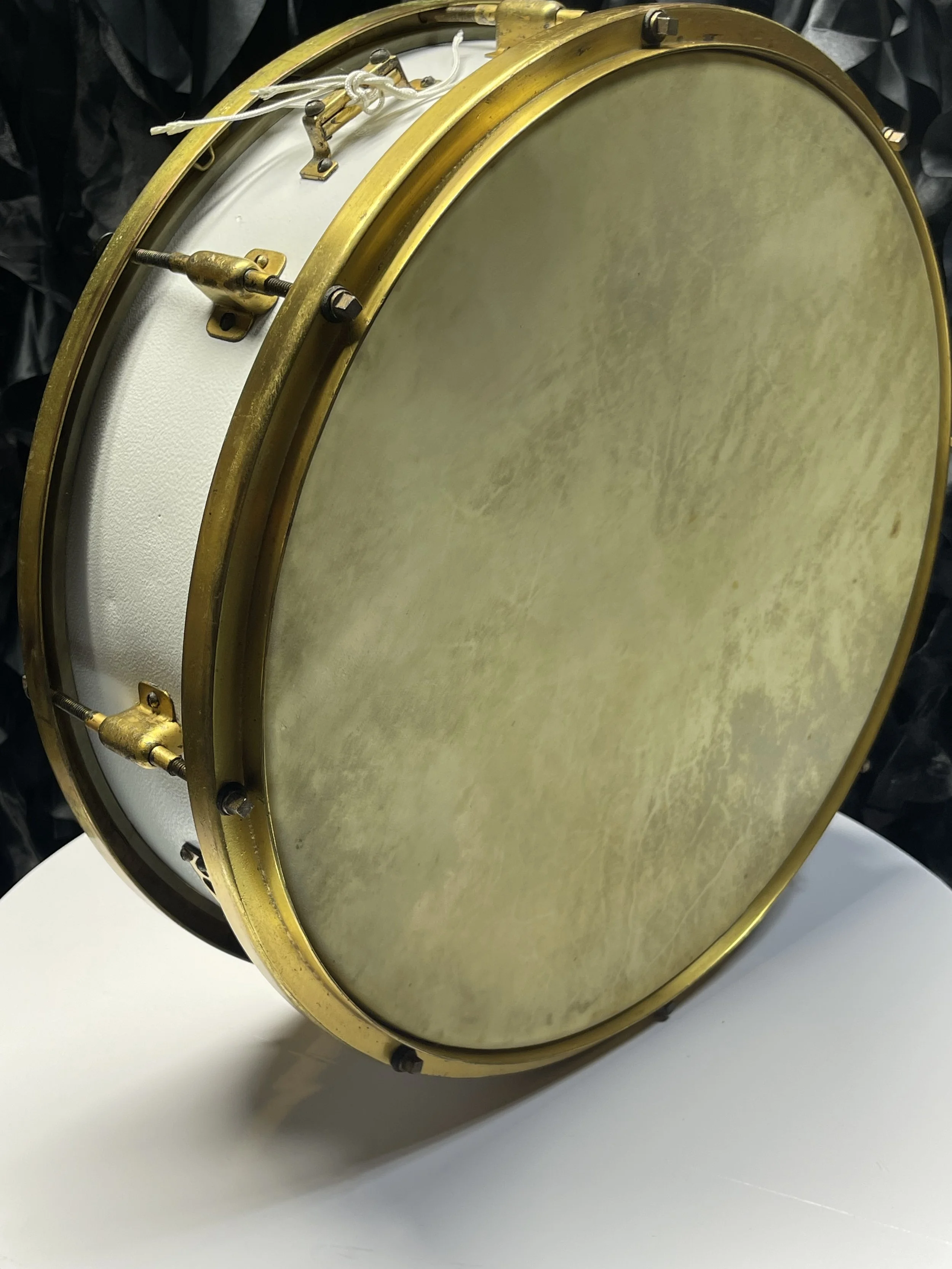
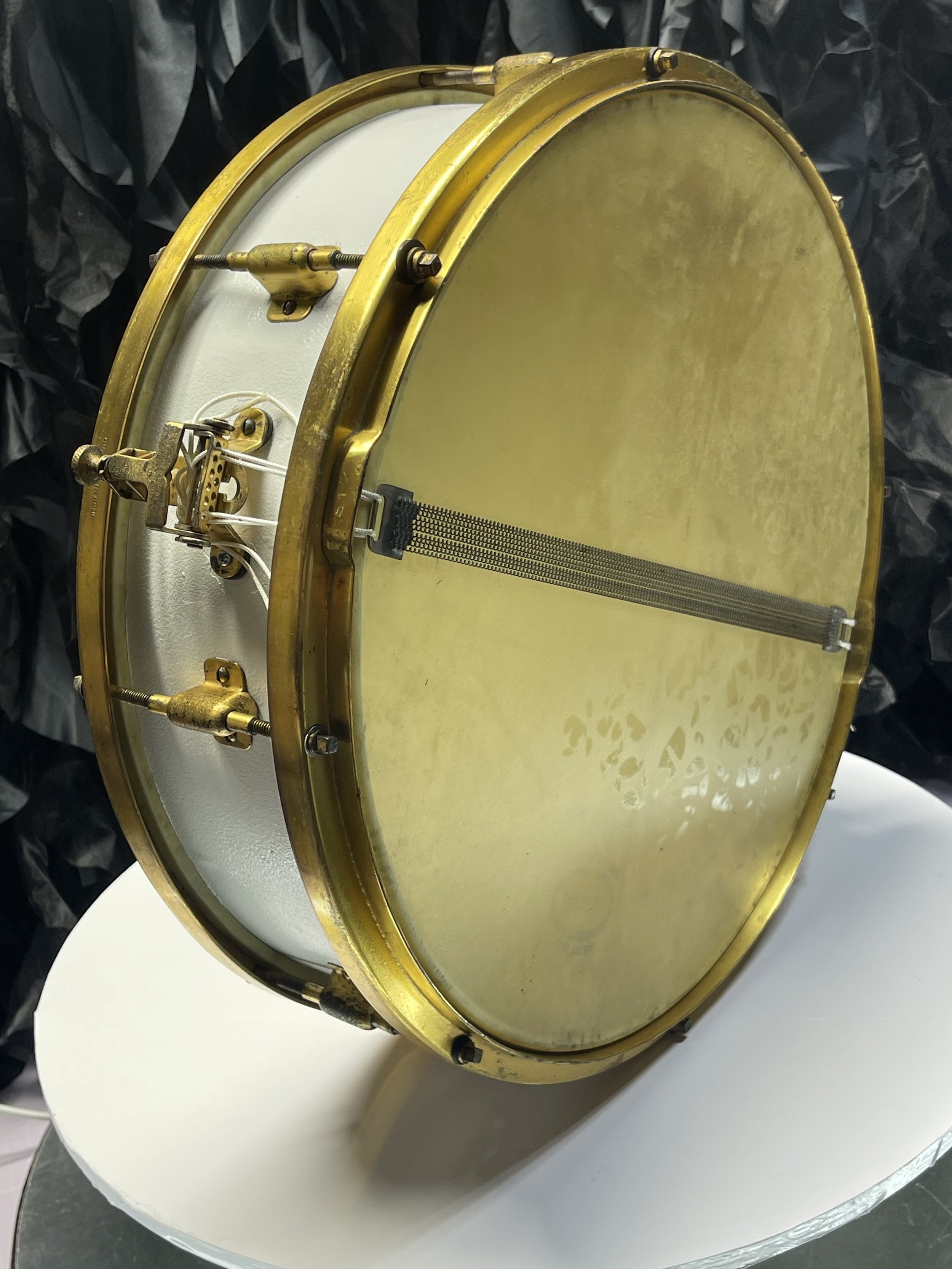
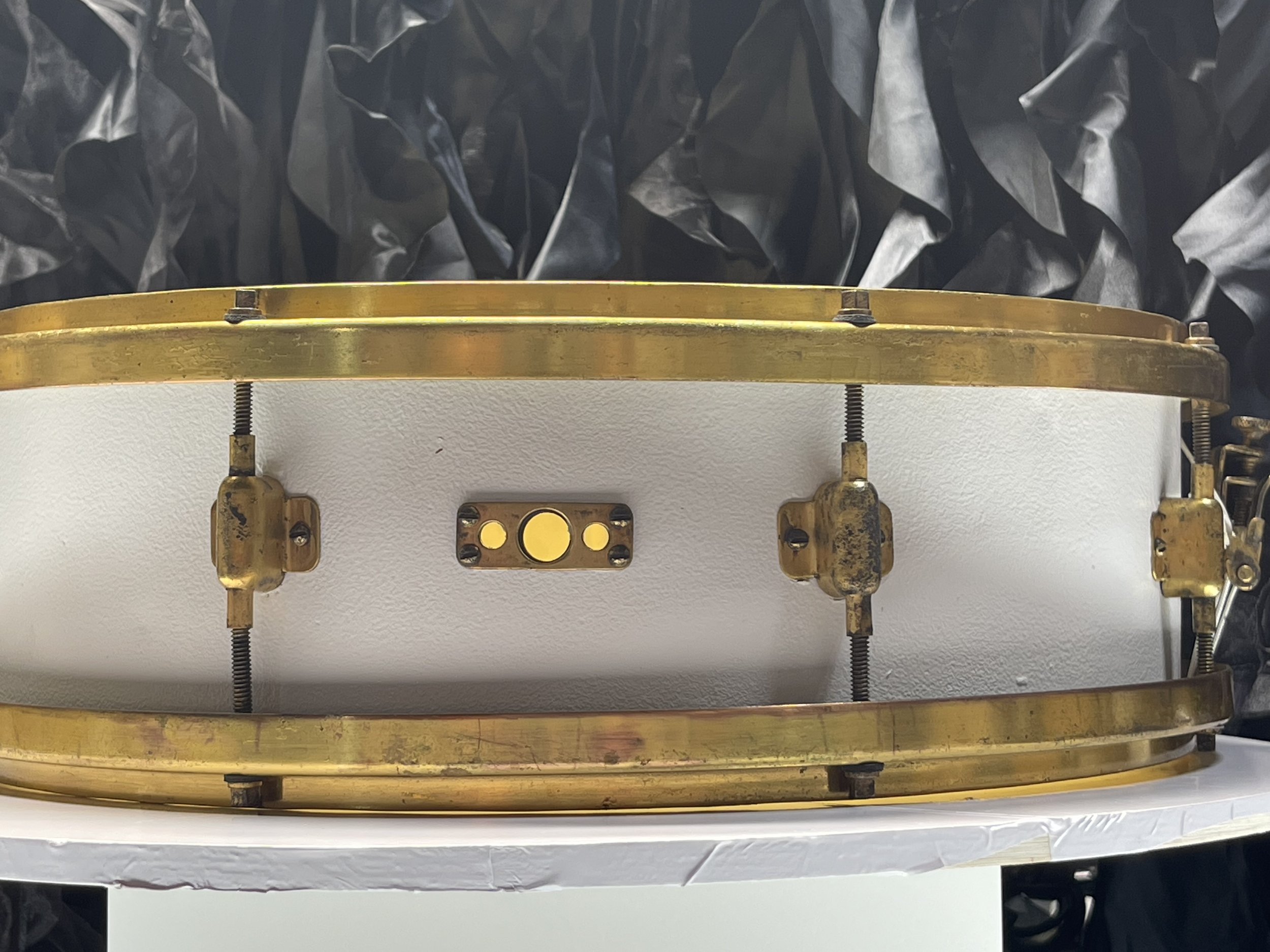
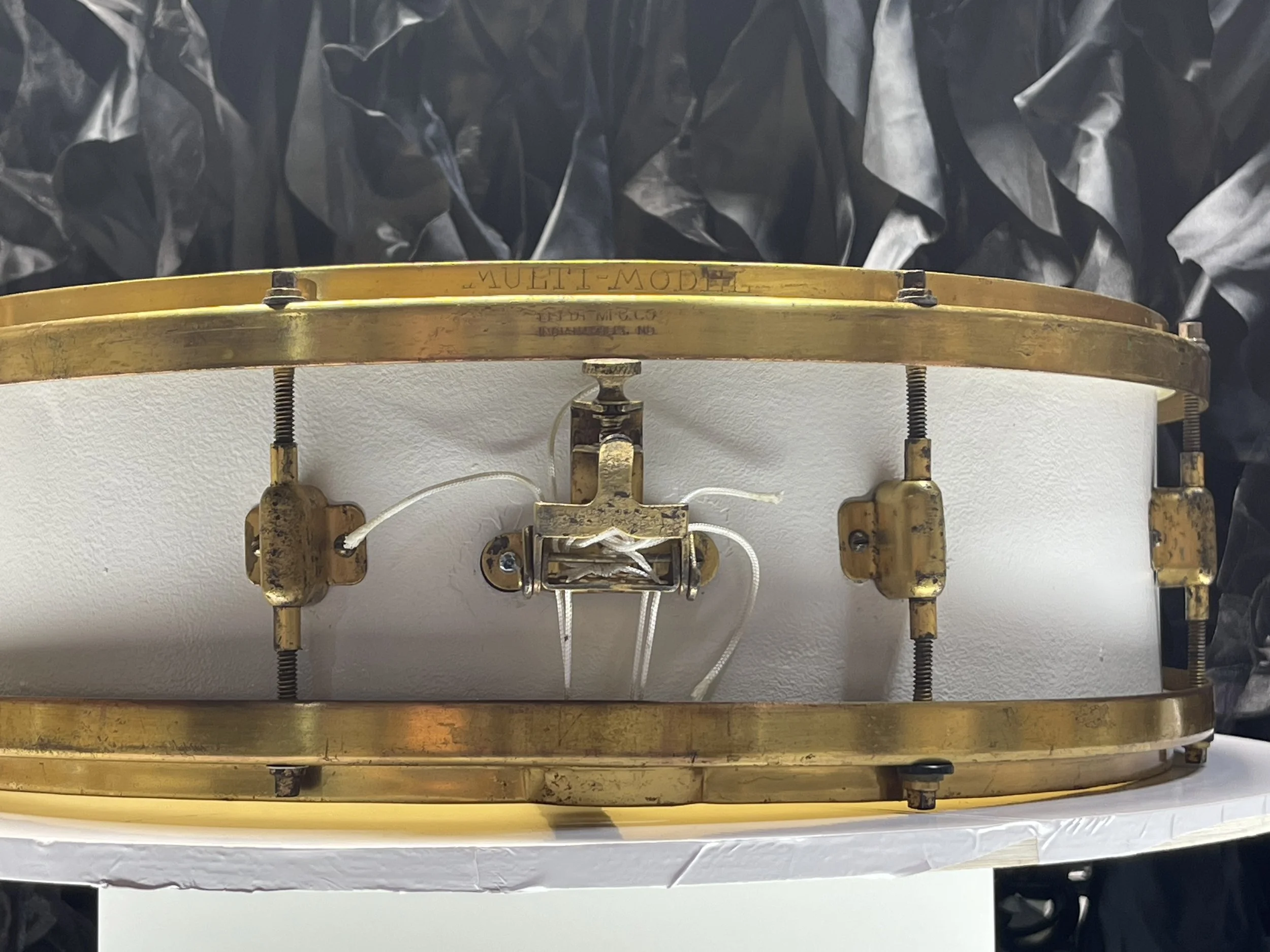
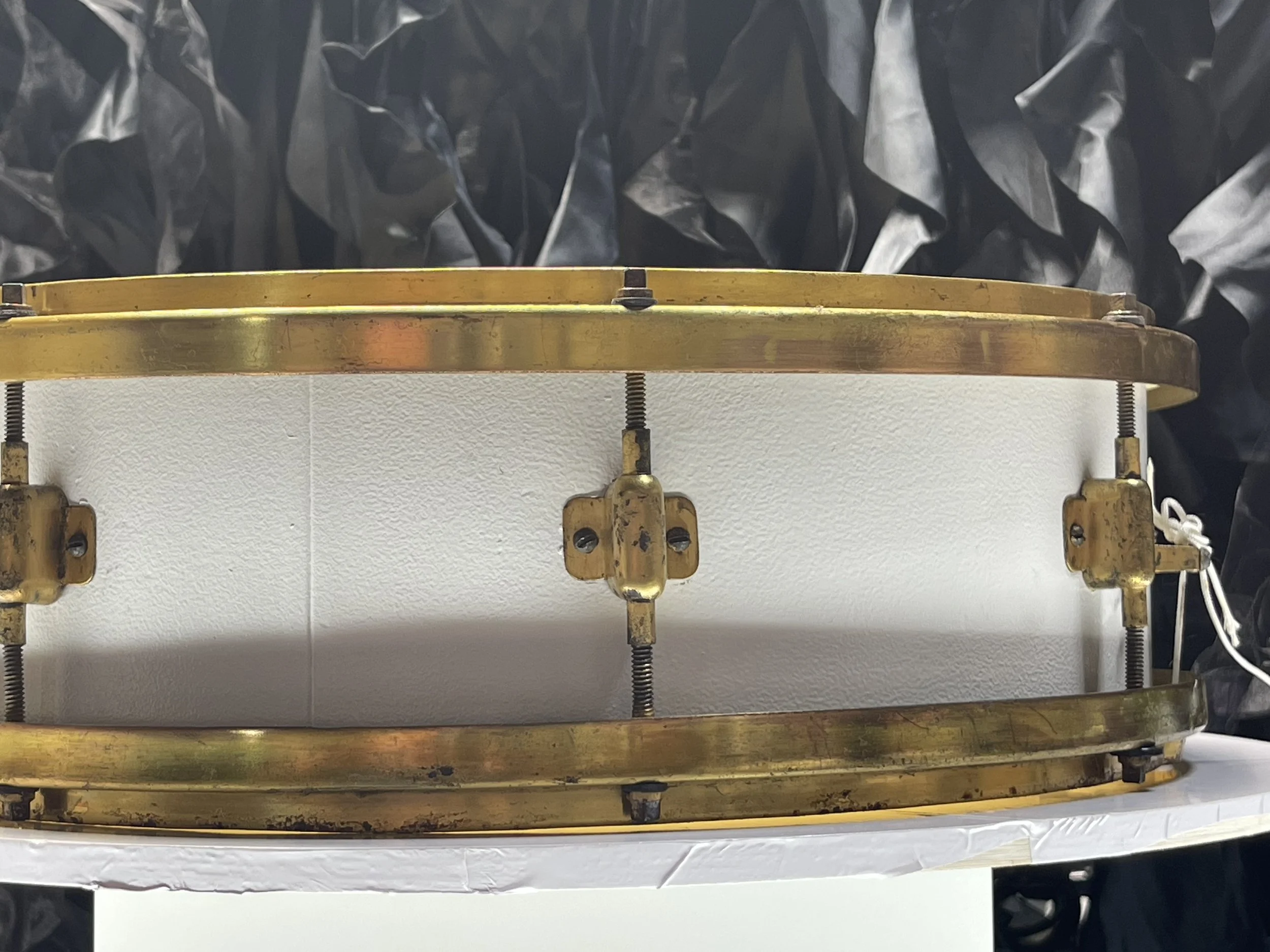
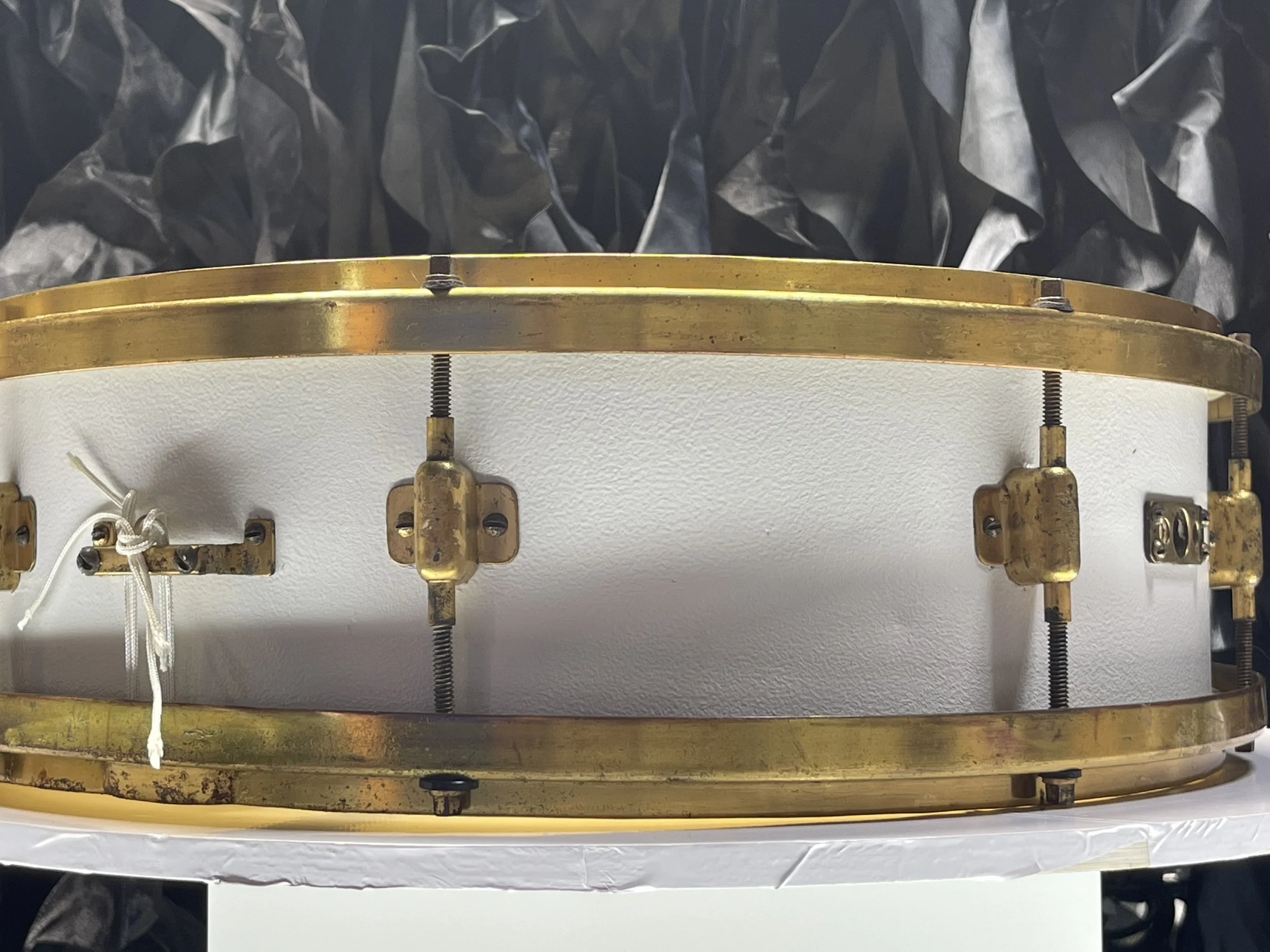
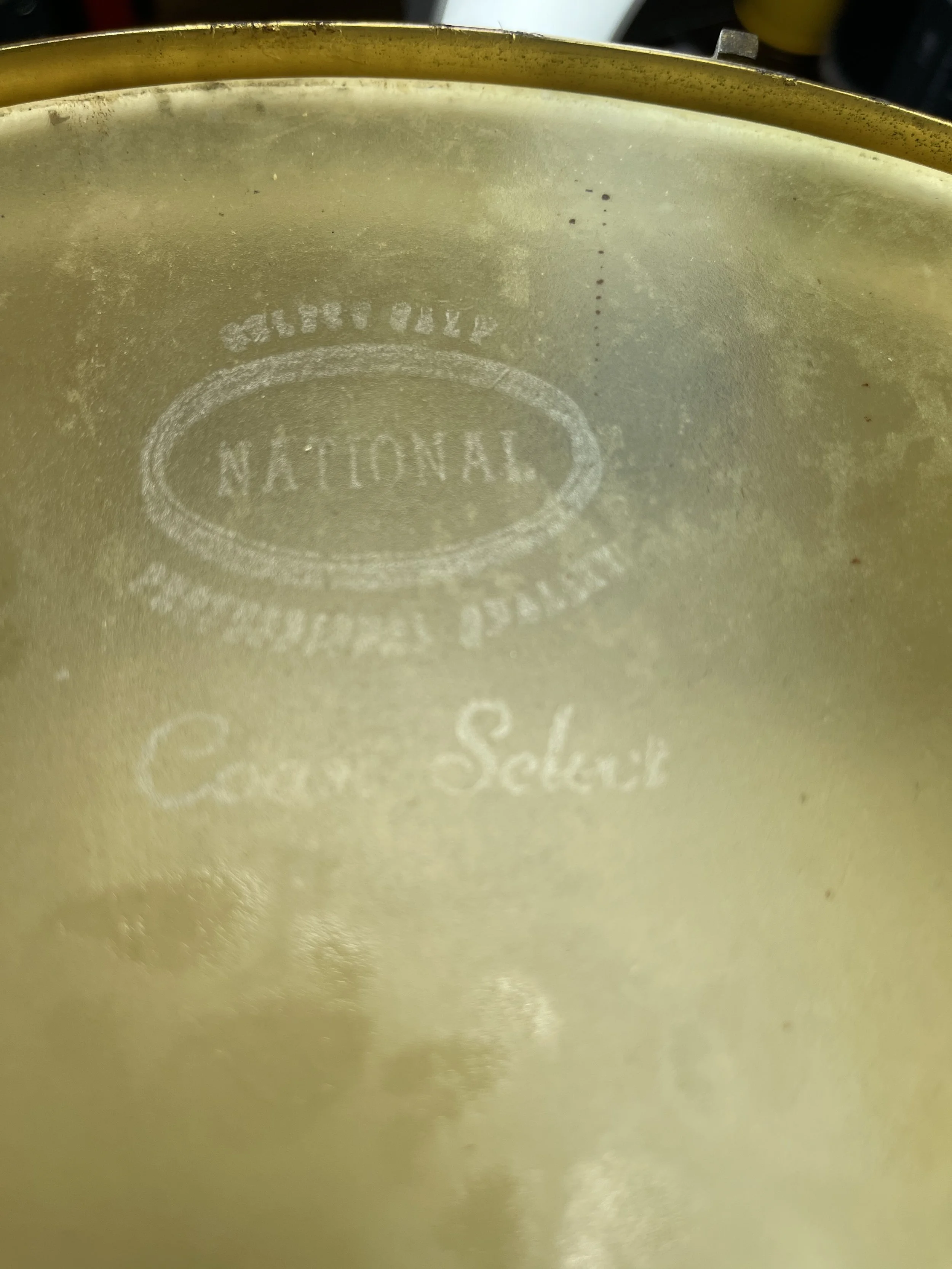
At the beginning of the 20th century, the American snare drum was still finding its identity. It had not yet become the highly refined, standardized instrument we recognize today. Instead, it existed in a space between military tradition and emerging popular music—a space that demanded innovation. Few companies responded to that demand as directly as the Leedy Manufacturing Company.
Founded by Ulysses Grant Leedy, the company approached drum design from the perspective of a working musician rather than a distant manufacturer. Leedy’s early work was grounded in practicality. He was not simply building instruments; he was addressing limitations he encountered in performance. By the years 1910 through 1913, this approach had already begun to reshape the percussion landscape.
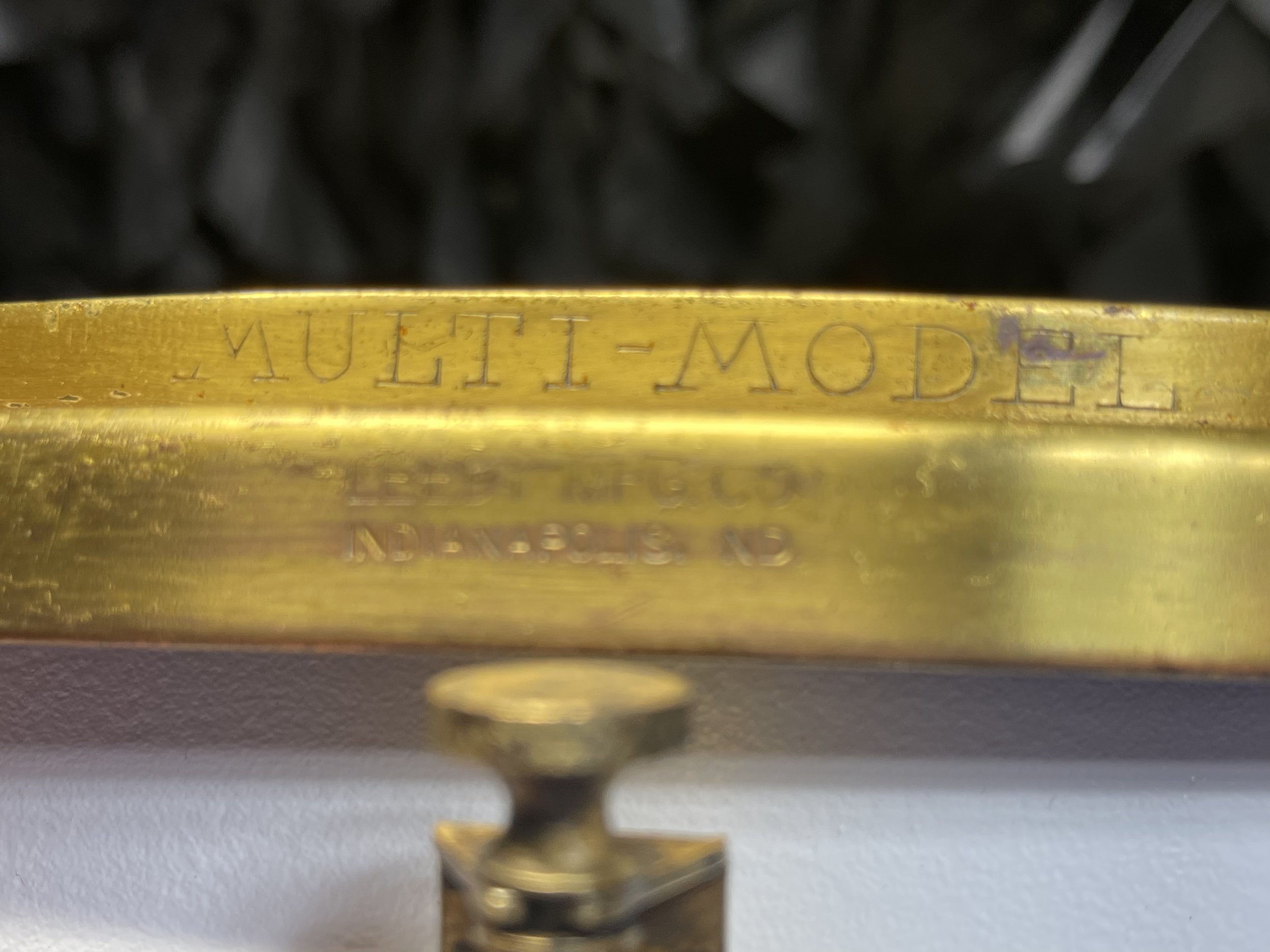
The drum featured here, bearing the “MULTI” designation, belongs to that formative period. It reflects a time when the snare drum was evolving rapidly, driven by changes in music and performance environments. In these years, American audiences were immersed in ragtime, vaudeville, and traveling theatrical productions. Rhythm was becoming more expressive, more central, and more demanding. The widespread popularity of compositions such as Alexander's Ragtime Band underscores how quickly syncopation and rhythmic vitality had entered the cultural mainstream.
For drummers, this shift created new challenges. Instruments needed to respond with greater sensitivity and control. Earlier snare systems, often limited in adjustability, were no longer sufficient. This is where Leedy’s innovation becomes particularly significant. The “Multi” concept represents an effort to move beyond static snare tension toward a more dynamic, player-controlled response. It is part of a broader transition in percussion design—from fixed-function instruments to adaptable tools capable of meeting evolving musical demands.
The shell construction of drums from this period reinforces that sense of transition. Nickel-over-brass shells provided the projection required for unamplified performance spaces while maintaining a level of responsiveness suited to increasingly intricate playing styles. The presence of beaded reinforcement lines, along with the physical weight of the shell, reflects both structural necessity and acoustic intention. These were instruments built to carry sound across theaters and halls, yet remain articulate enough for detailed rhythmic expression.
What distinguishes surviving examples today is not simply their age, but their integrity. Drums from the early 1910s were working instruments, subjected to years of use, modification, and repair. Many have lost their original components or been altered to remain playable as musical styles changed. When a drum retains its original hole pattern, carries a correct “MULTI” stamped hoop, and presents a cohesive structural narrative, it stands apart. These elements serve as anchors, allowing the instrument to be placed confidently within its historical context.
The approach to preserving such an instrument must be equally deliberate. At Reflections of Chicagoland Drum Co., conservation is guided by restraint. The objective is not to erase the passage of time, but to stabilize and protect it. Surfaces are cleaned carefully to preserve original plating. Hardware is serviced to maintain functionality without unnecessary replacement. Most importantly, the original structure of the drum is respected, ensuring that its historical integrity remains intact.
In the collector market, value follows clarity. An instrument that tells a consistent and credible story—one that aligns its construction, markings, and condition—will always command greater attention than one that does not. Early Leedy drums occupy a unique position in this regard. They represent a period of active innovation, where design decisions were still being shaped by direct interaction between maker and musician.
This “MULTI” snare drum, dating from approximately 1910 to 1913, stands as a product of that interaction. It is not merely an artifact from the past; it is evidence of a moment when the modern snare drum was still being defined. Its presence today offers a tangible connection to that process—a reminder that the instruments we now consider standard were once the result of experimentation, necessity, and the pursuit of better sound.
In preserving and presenting these instruments, we do more than restore their appearance. We return them to the conversation, allowing their history to inform both collectors and players who continue to shape the future of percussion.