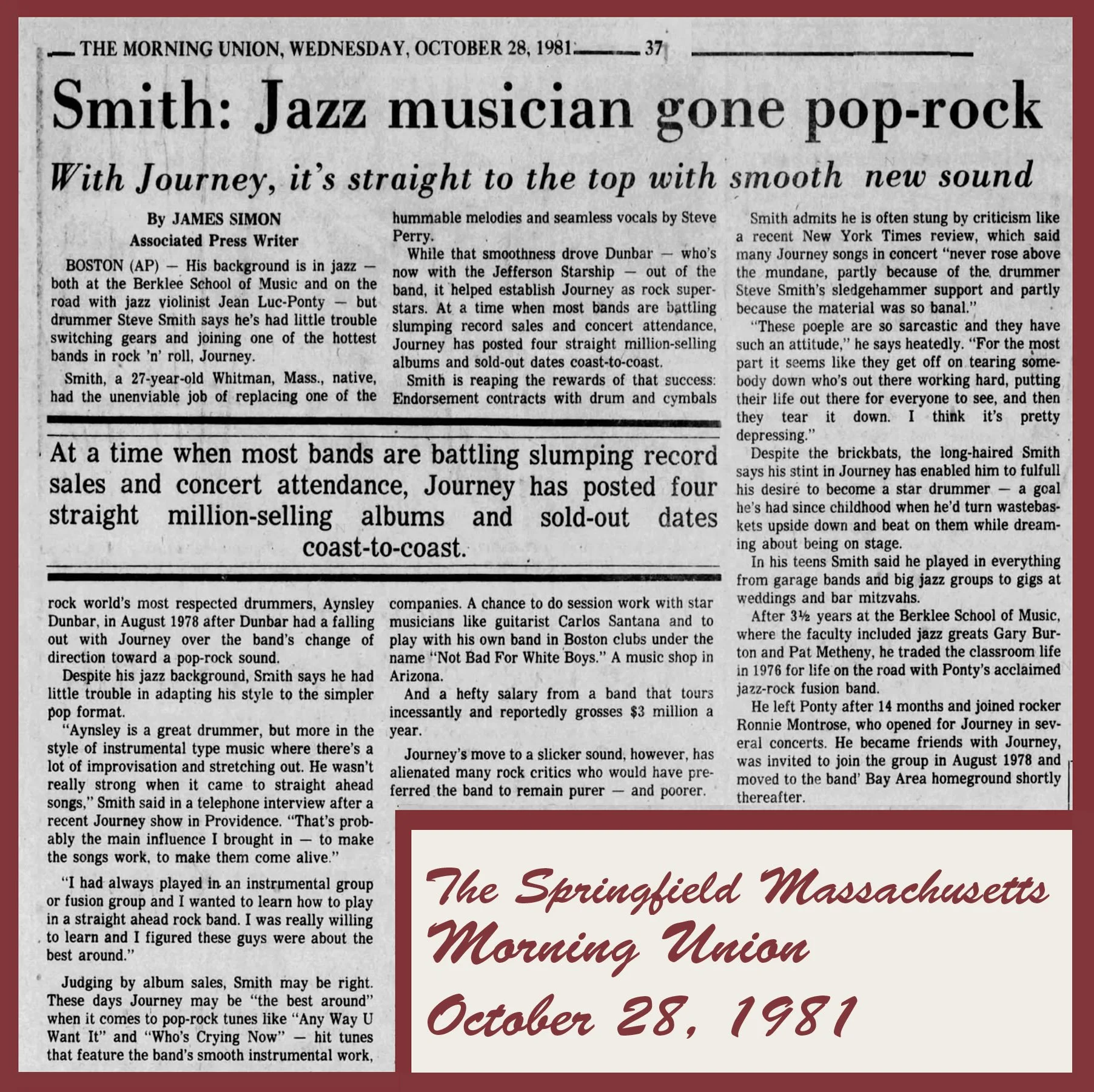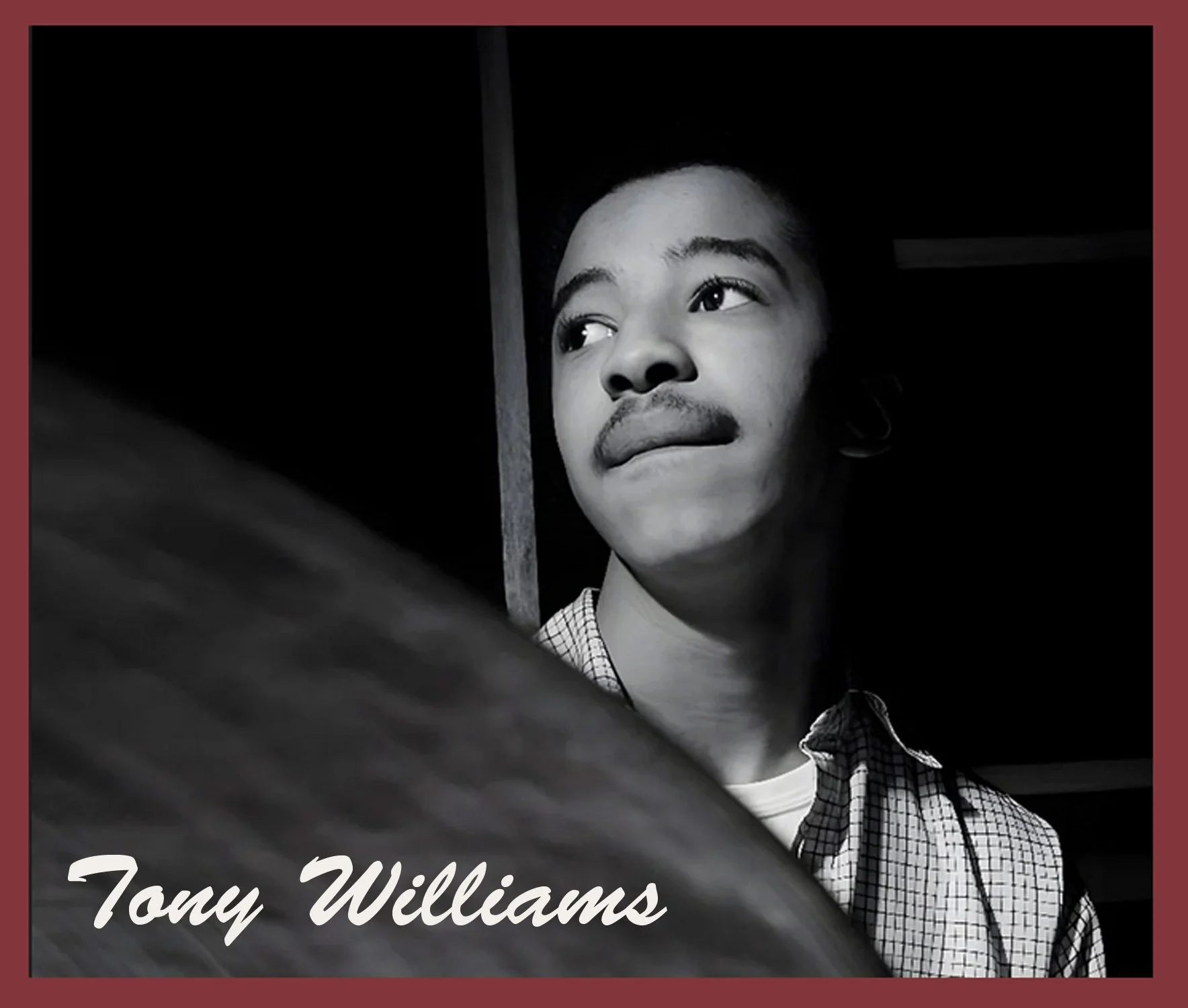
I graduated high school in June 1972, and because my birthday is in August, I had just turned 18 years old when I started attending the Berklee College of Music in September 1972. That is when I heard Tony Williams for the first time, on the Miles Davis album ‘Four’ & More.
The culture of Berklee in the years that I attended, (1972-1974) and after a break, 1976), was very open, which was reflective of the music of that time. But the focus was clearly jazz - Berklee was not a “School Of Rock” by any stretch.
In my early semesters I learned about the drummers of Miles Davis with a focus on Philly Joe Jones and especially Tony Williams. ‘Four’ & More was recorded in 1964 and released in 1966, only six years before I arrived at Berklee but it was already a classic for musicians.
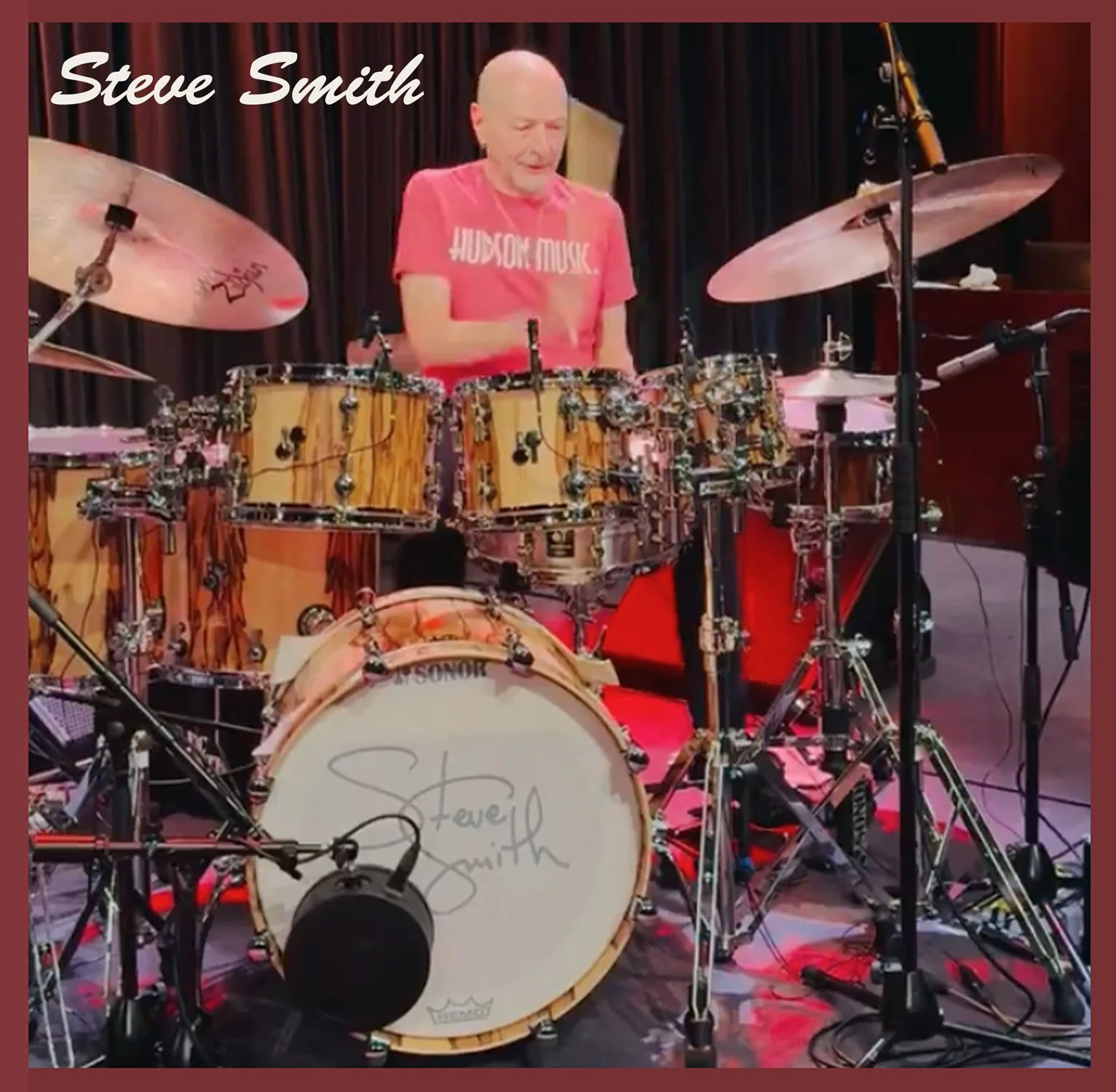
Tony’s drumming on that album was clearly ground-breaking, thrilling and amazing for me and my classmates. It wasn’t long before I went to Harvey Simon’s Drum Shop and found a used 22” K Zildjian ride and bought a Gretsch kit with an 18” bass drum, 12” rack tom and 14” floor tom and worked on playing like Tony.
Developing my up-tempo jazz ride cymbal time was a priority. Herbie Hancock’s album Maiden Voyage was another inspirational album that features Tony. To me, the way Tony plays on that album set a standard for “loose, in-time, out-of-time, free drumming” that became ubiquitous for the drumming on ECM albums.
Before long I had the good fortune to meet sax player George Garzone and have the opportunity to sub for Bob Gulotti in the free-jazz trio The Fringe. Playing as fast as possible was a big part of The Fringe’s ethos as well as playing very free. Both concepts were instrumental to help me open up my playing, which, before Berklee, was mainly informed by Big Band music. Tony’s influence on my playing had started.
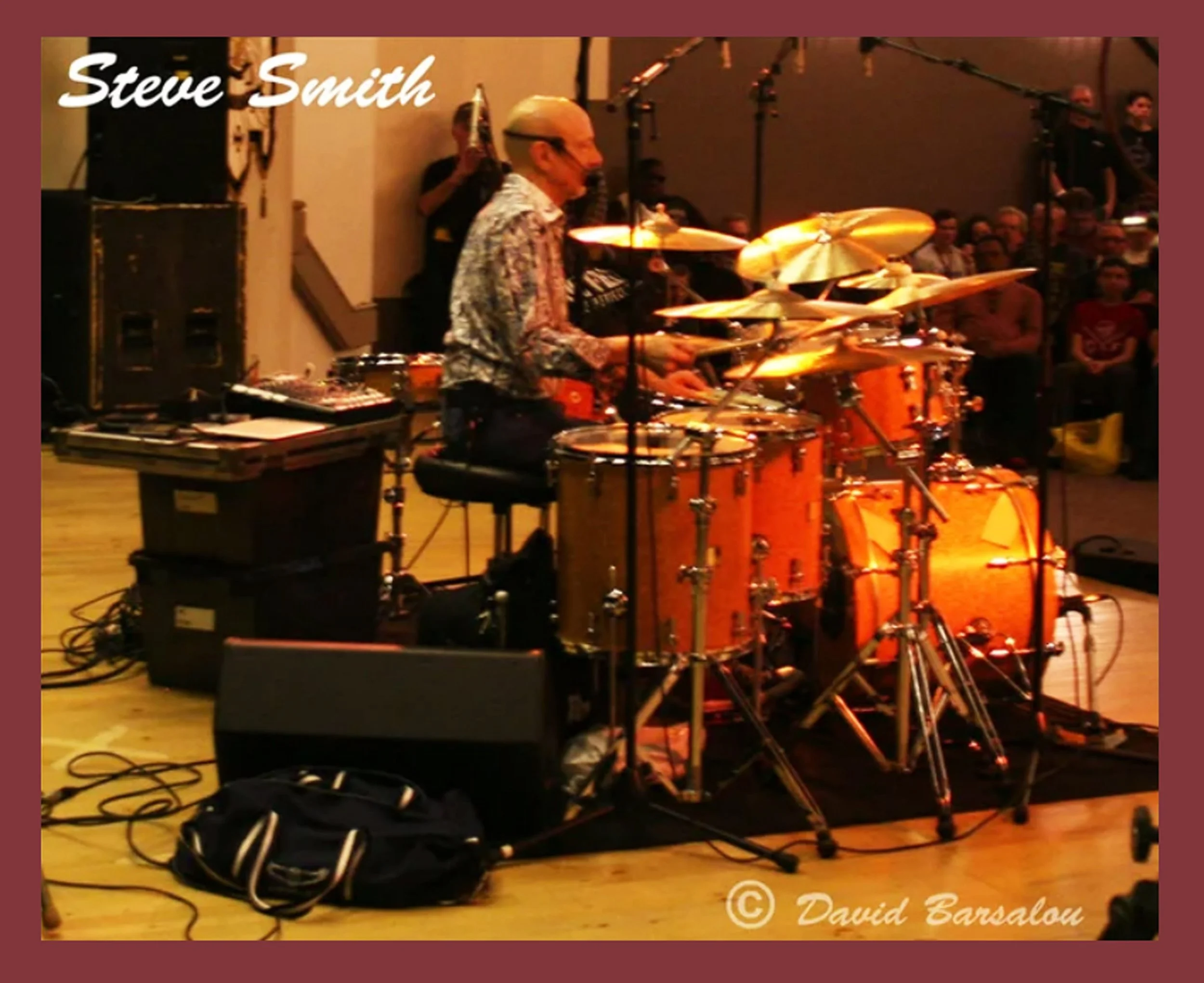
In 1974, I found a used copy of the double LP Emergency! by The Tony Williams Lifetime. The raw energy on Emergency! was mind-blowing. It didn’t matter that the recording was slightly distorted, the intensity of the playing jumped out of the speakers. I could hear that Tony was into a new phase of his musical development, which was so exciting.
Playing jazz-rock on a small kit was thrilling! This inspired me to jam with my classmates Jamie Glaser on guitar and Jeff Berlin on bass in the newly emerging jazz-rock-fusion style. I still love to play jazz-rock on a small jazz kit with an 18” bass drum and two ride cymbals. There is a dexterity that I can access that is not possible on a larger kit with a big bass drum.
In 1975 The New Tony Williams Lifetime released Believe It with Tony Newton on bass, Allan Holdsworth on guitar and Alan Pasqua on keyboards. Tony had developed some new vocabulary and was playing a much bigger drum set.
I loved Believe It from the very first listen. Fortunately, when Tony took that band on tour, I was able to see that group three times. The first time I saw him was at the Jazz Workshop, a small, basement jazz club in Boston. Vinnie Colaiuta and I went together and sat right in front of Tony’s big yellow kit. When the band started playing and Tony interacted with the other players, playing some incredible time feels and fills, Vinnie and I both lost our minds, applauding and screaming like teen-age girls seeing The Beatles! It was overwhelming. We had to go and see Tony again before his week-long engagement was over.
The summer of 1975 was the second summer in a row that I toured in the U.S. with the Lin Biviano Big Band. During that tour we did a recording in Chicago for Stan Kenton’s Creative World record label. (This hard to find “45 single” has two songs: “L.A. Expression” and “Love Is Stronger Far Than We”).
While in Chicago I saw that The New Tony Williams Lifetime was playing at The Quiet Knights (I think that was the name of the club). I went to see the group and was, once again, blown away. I loved how Tony would go out on a limb with some of his fills. The idea of “perfection” was not part of the conception of playing jazz or jazz-rock.
The aesthetic was about transcendence, adventure, generating energy and pushing boundaries. Tony would push himself with some of his fills and they didn’t always come out right, but that was part of the adventure. He would have a look on his face where you could tell he wasn’t happy with what he just played, but it didn’t stop him from continuing to play to the edge of his abilities. That was so inspiring to witness.
In June 1976 a concert was advertised as a Very Special One-time Performance with Herbie Hancock, Ron Carter, Wayne Shorter, Tony Williams and Miles Davis. Vinnie and I bought tickets for the show and took a Greyhound bus to NYC. When we walked up to the door, there was a handwritten paper on the door that said: “Miles Davis will not be performing tonight. Freddie Hubbard will play trumpet.” We were a bit disappointed that Miles wouldn’t be playing but Freddie Hubbard filling in sounded like a great choice; We were mainly there to see Tony play with the “Second Great Quintet!”
The concert was extraordinary and Tony played so great that we were amazed. Seeing Tony playing straight-ahead on his big, yellow, Gretsch kit was incredible. We also saw the great Billy Hart that night because after Tony played with Herbie, the Mwandishi band came onstage. The third band was not very inspiring to me, which was Herbie playing some funk music but it wasn’t the hip jazz-funk of the Headhunters with Mike Clark. In my opinion, the album that was released of that night, Herbie Hancock V.S.O.P., doesn’t feature Tony very well - he is quite low in mix. But being in the concert hall was sonically fantastic, Tony’s drums sounded huge and commanding.
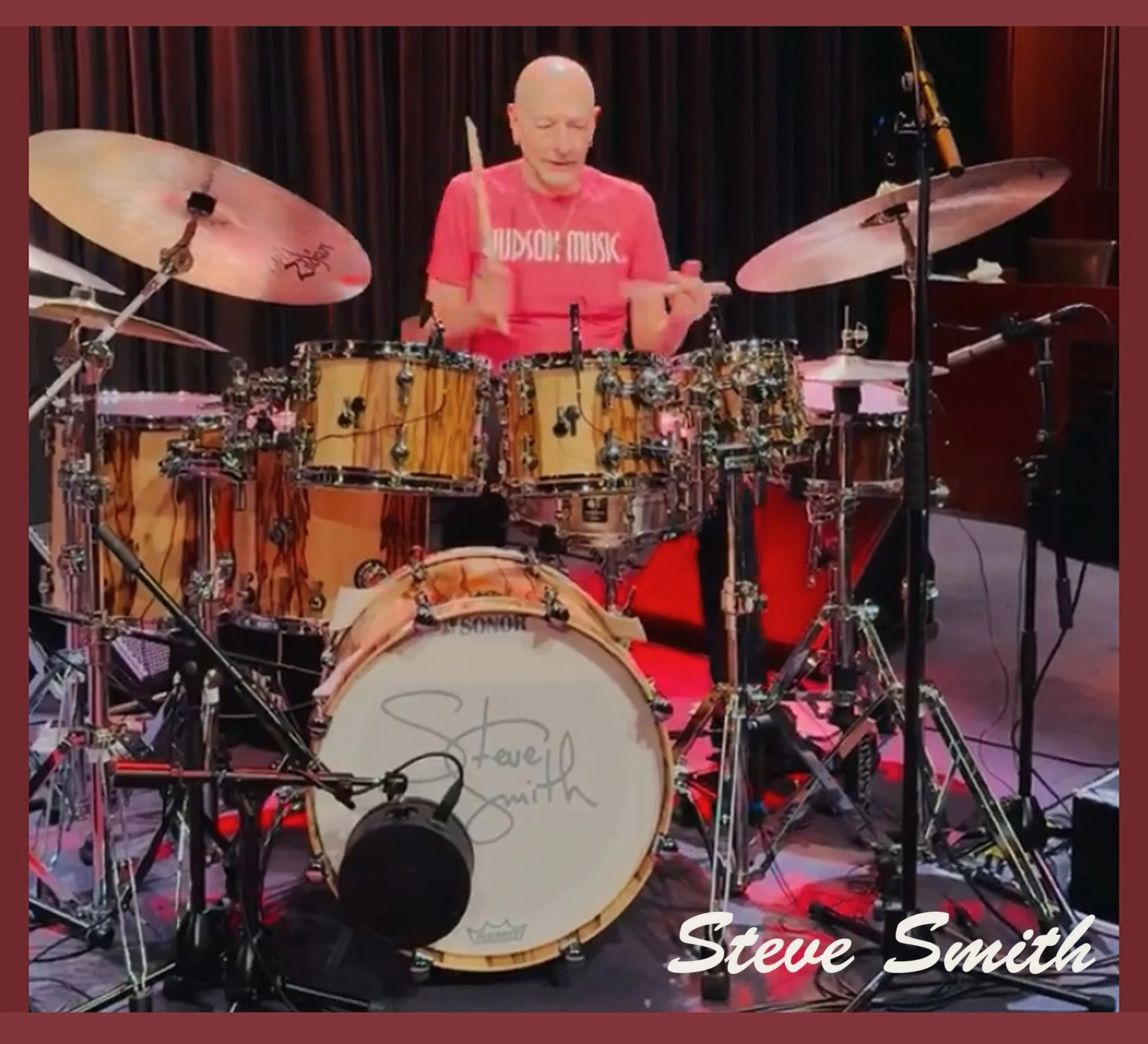
Eventually, I ended up living in Marin County, part of the San Francisco Bay Area, starting in late 1978 when I became a band member of Journey. Tony Williams also lived in Marin at that time and would occasionally play a local gig. I saw him with a version of Lifetime with Patrick O’Hearn on bass and Tom Grant on keyboards at the Keystone Korner in San Francisco. They played the music of Tony’s Columbia album Joy Of Flying and it was inspired.
One time I saw Tony at small jazz club called Kimballs in San Francisco (Kimball’s West is no longer open, there is still a Kimball’s East in Emeryville, CA) with some other local Bay Area players: Bobby Hutcherson on vibes, John Handy on alto and a bass player, who unfortunately I don’t remember. (My friend and former student Rob Hart was at that gig, Rob may remember the bass player.) Even though the stage was small, Tony had his big yellow Gretsch kit. There was something unique that happened that night; Whenever John Handy would play a solo, Tony put his sticks down on his snare drum and sat there, not playing a note. As soon as Handy’s solo was over, Tony picked up the sticks and started playing again.
I met Tony on a number of occasions and he was always very nice, polite and soft spoken. The most pleasant interaction I had with him was at a Sharper Image in Larkspur, CA. We were both Christmas shopping and ended up in the same mall at Larkspur Landing. We recognized each other and had a very nice talk about the Holidays, spending time at home and, in general, talking about everyday life, not drums or music. For me it was very cool to have that kind of interaction with him. One of the last times I saw him was at The Bammies in San Francisco (The Bay Area Music Awards). I was presenting the award for “Best Drummer” and Tony was nominated. Tony was at the Bammies with his wife Colleen, the two of them were a striking and content couple. That night I asked Tony for his phone number and told him I wanted lessons. He tried to talk me out of it, but he relented and gave me his number. (Tré Cool from Green Day won the “Best Drummer” award that night. It seems the voters were not aware of the genius of Tony Williams.) Unfortunately, I never called Tony, as I felt too intimidated by him.
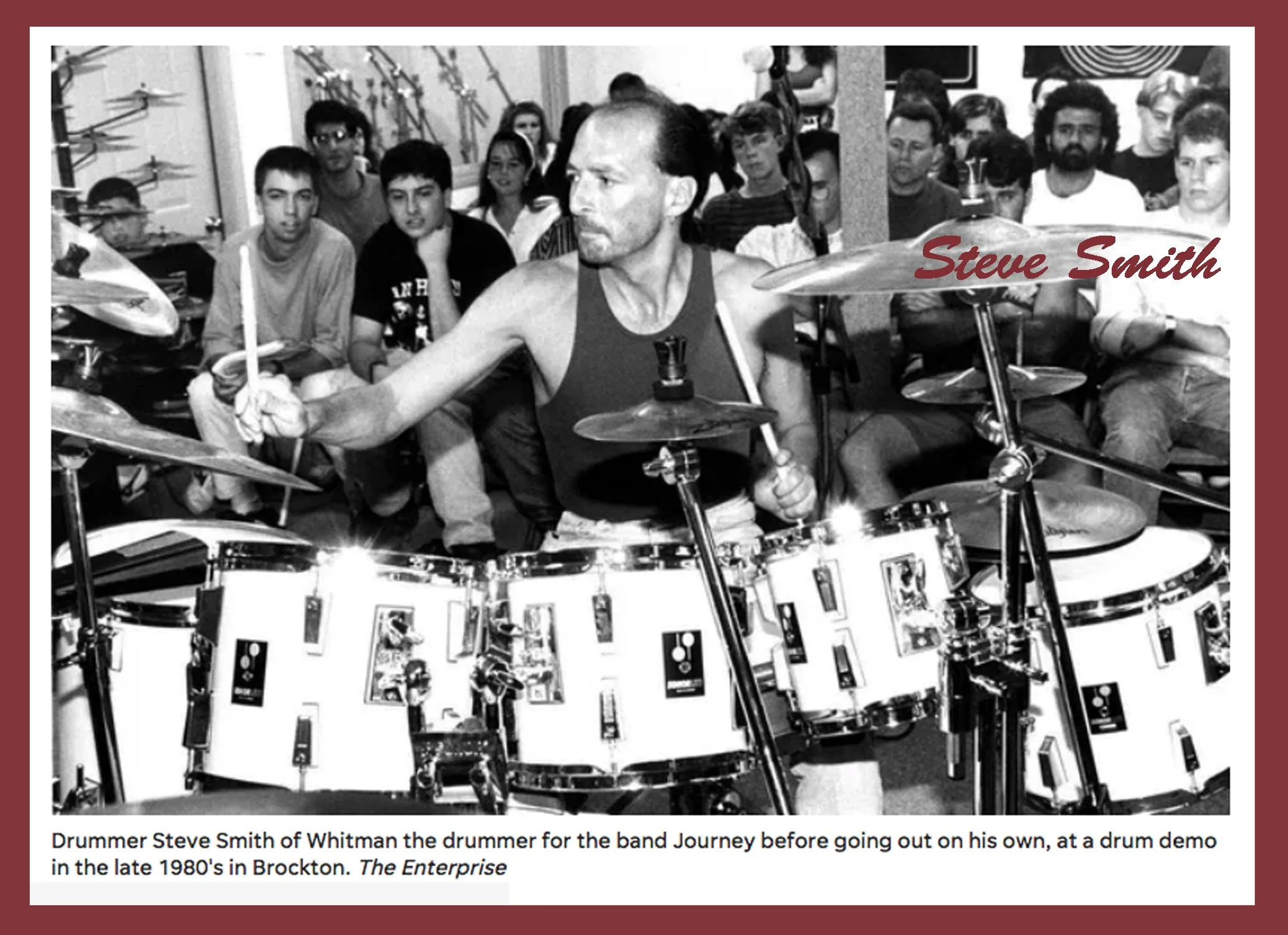
What are the results of me witnessing Tony play live many times? He informed me and inspired my playing on multiple levels. For example, Tony channeled energy in a profound way. The only way one can truly experience that is to be “in the room” when that kind of energy is being transmitted. Being in the room with Tony Williams gave me a clear example of how to project energy, connect with, and uplift the listeners in the room. There is no way one can experience that from videos and recordings. Videos and recordings are fantastic documents of our favorite musicians but there is no substitute for being in the room when the shit is going down! Tony gave me a clear blueprint on pushing myself to transcend the ordinary in my playing and strive for a creativity that can be dangerous and unpredictable, occasionally crashing and burning, but that’s okay. As long as there is a fundamental “taking care of business,” then there is permission to push myself to try to transcend my tried-and-true, reliable vocabulary and reach for an ineffable experience.
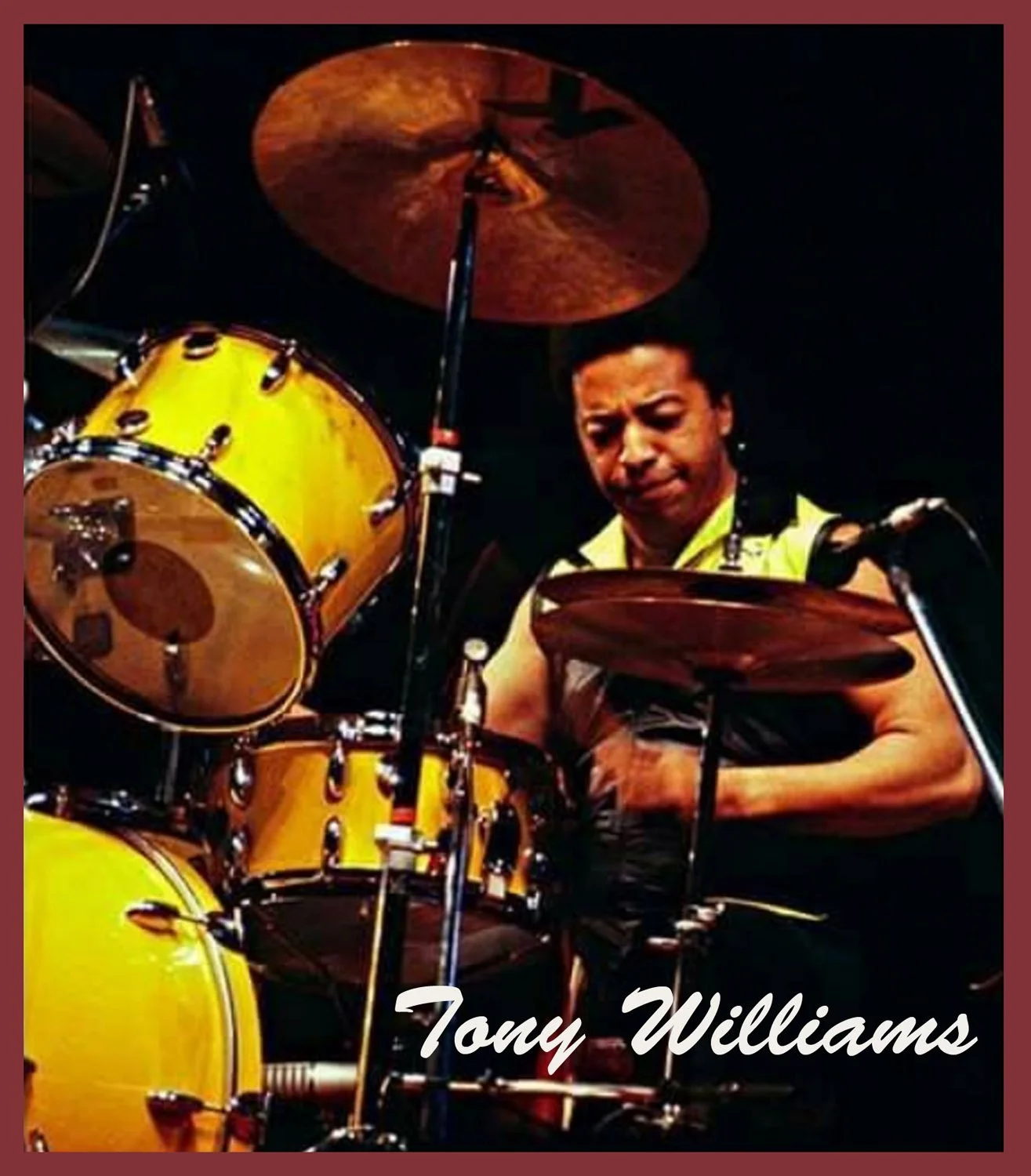
Another lesson I learned regarding Tony is how unpredictable life can be. In the mid-90s I heard that The Tony Williams Quintet was performing near me in Northern California. My schedule was full and I was very busy so I decided I’d see Tony the next time he was on tour. There was no next time. Tony Williams died unexpectedly at 51 years old on February 23, 1997. The news was devastating to me and to countless other musicians. The loss of one of my heroes and inspirations hit me hard. Tony changed the course of jazz drumming and group interplay as a teenager. As an adult he was on the vanguard of developing jazz-rock-fusion music as an art form. Later in his life, Tony had taken a hiatus from touring in order to study composition and orchestration. You can hear some of the results of that study on his 1997 album Wilderness. The fact that he was so young and continuing to develop as a musician, made his loss so deep and tragic.
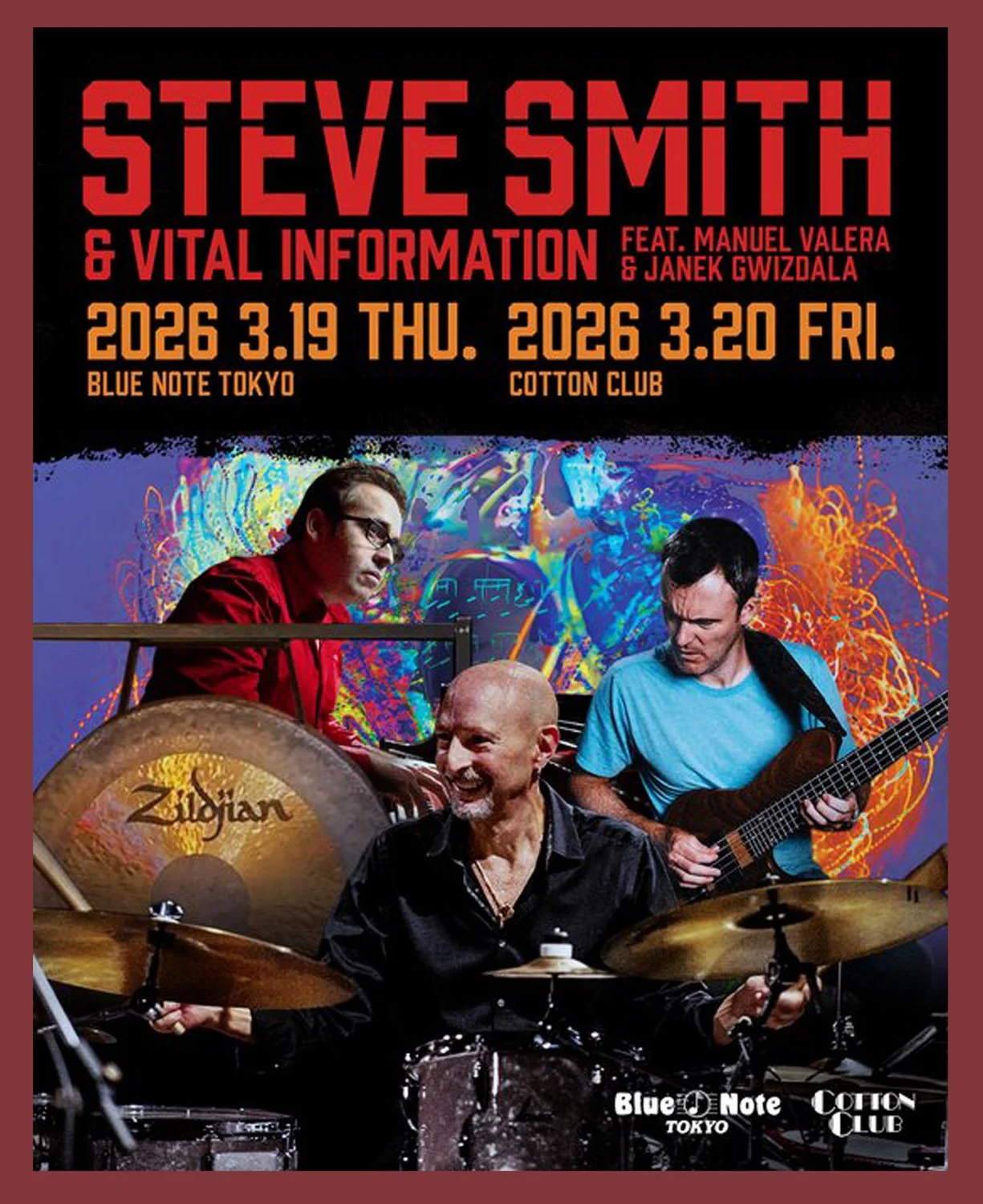
At the time of Tony’s death, I was in the middle of recording a Vital Information album. Frank Gambale was staying at my home. Frank and I went to the funeral service at St. Ignatius Church in San Francisco honoring Tony’s life and contributions. It was one of the most profoundly sad experiences of my life. The pallbearers were Max Roach, Ron Carter, Herbie Hancock, Wayne Shorter, Wallace Roney and Ginger Baker.
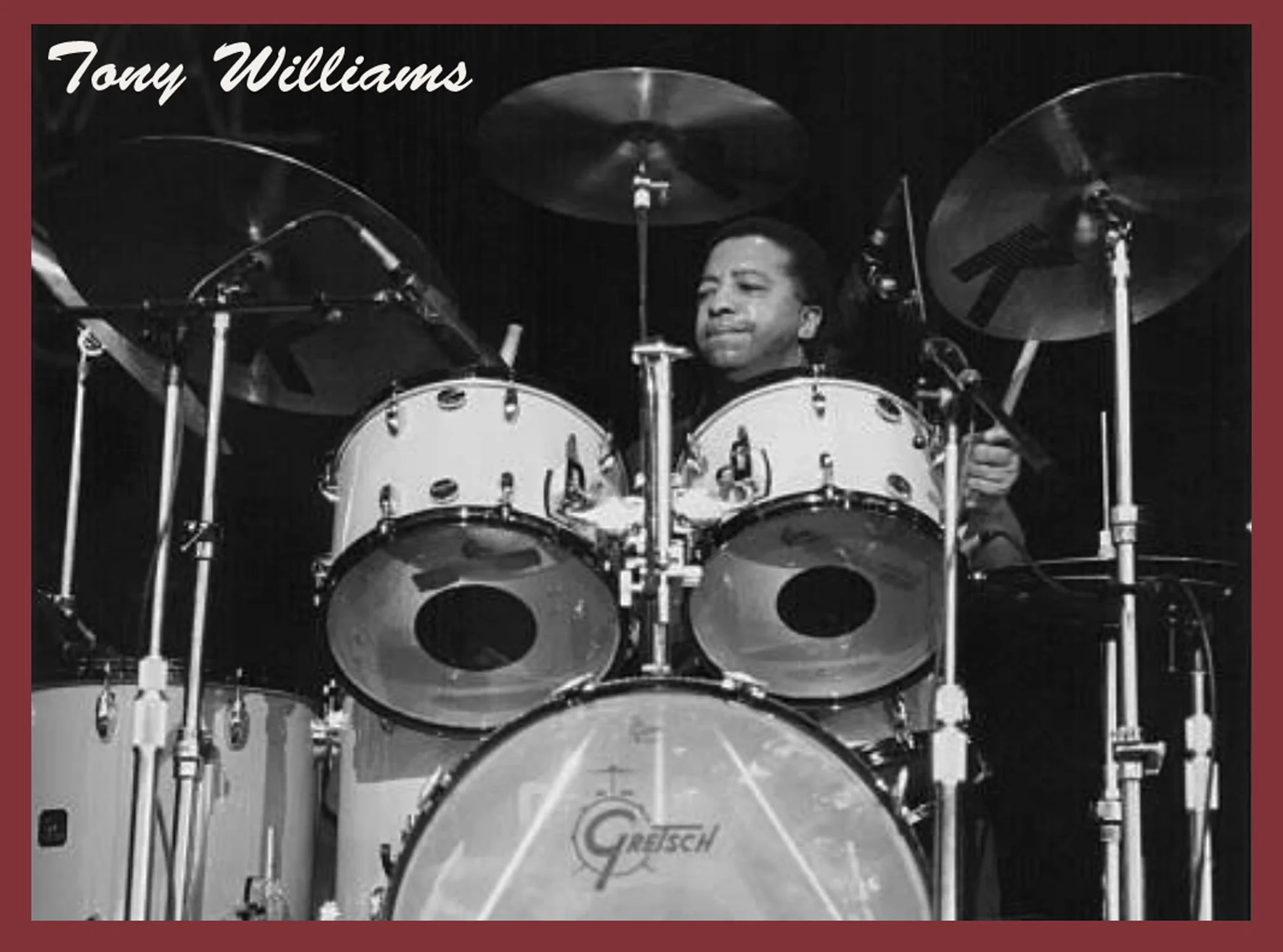
Tony’s wife Colleen spoke and was compelling, Max talked and one of his statements was that he was supposed to pass before Tony. The mood was heavy and most of the congregation was in tears, including me. The moment that was especially gut-wrenching was Herbie Hancock, Wayne Shorter, Ron Carter and Wallace Roney on the altar, playing Tony’s composition “Sister Cheryl,” with Tony’s yellow Gretsch kit set up next to them, with no one playing drums. I deeply regretted not seeing Tony play one more time, when I had the opportunity. It’s an idea that I keep to this day: When my favorite players are performing, I see them now, I don’t wait for “the next time.”
-Steve Smith
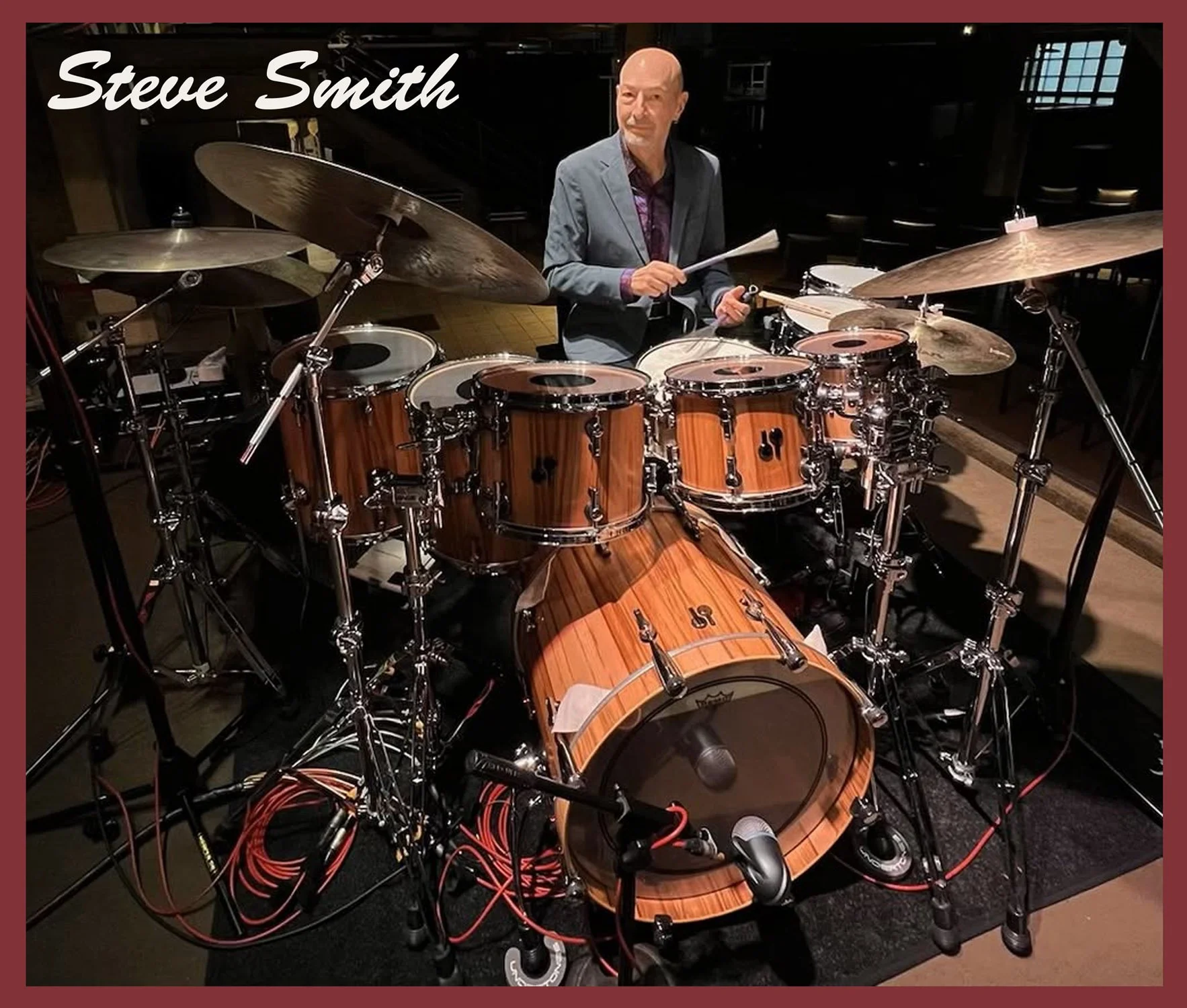
Steve Smith grew up in the Boston area and started playing drums at the age of nine in 1963. He studied music at the Berklee College of Music from 1972 to 1976 with Alan Dawson and Gary Chaffee as his private instructors. Over the past 45 years he has toured and recorded with some of the biggest names in jazz and rock - appearing on recordings that have sold over 100 million copies worldwide - including Journey, Bryan Adams, Mariah Carey, Zucchero and Jean-Luc Ponty. Other notable jazz artists Smith has played with include Zakir Hussain, Buddy DeFranco, Benny Golson, Ahmad Jamal, Dave Liebman, Randy Brecker, Michael Brecker, Bill Evans and Hiromi.
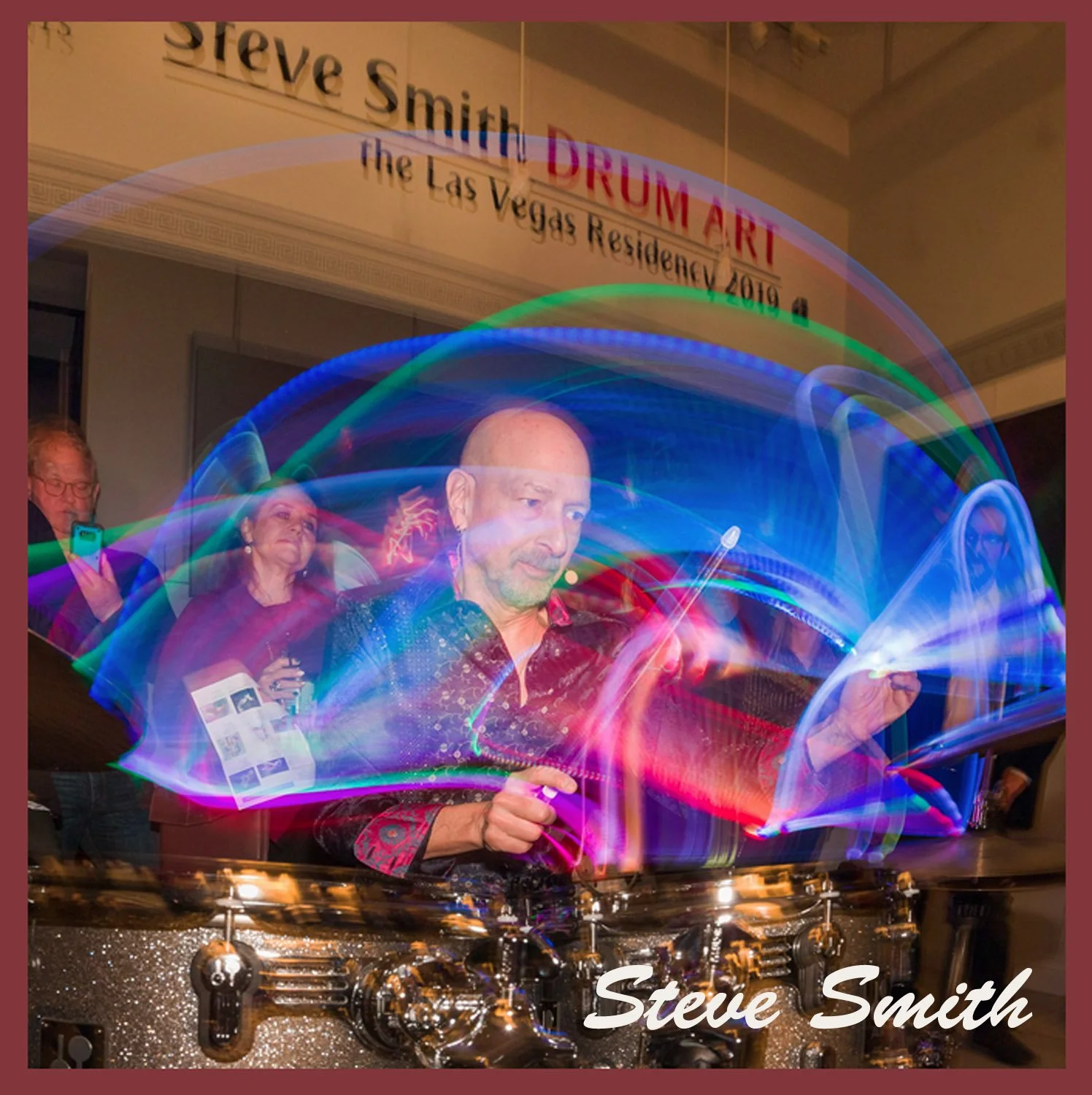
Whitman drummer Steve Smith, Journey inducted into Rock Hall