
This is a follow up to the first article that I wrote for Not So Modern Drummer a couple years ago called “Japan’s Ode To Slingerland”, which can be found here: https://www.notsomoderndrummer.com/not-so-modern-drummer/2024/3/29/84a0h81ufakx2l6rp3gpwi1dgpossz.
Dating back to the beginning of Japan mass producing drums to compete with the American manufacturers, there was plenty of creative borrowing happening, most of such borrowing was from Slingerland, but they still were keeping an eye on what was coming out of the Rogers plant as well. Hoshino and Star were the biggest offenders but all five were in on the design “inspiration”. Rogers never got into the lawsuits, but instead chose to die a slow death, then eventually having their name being slapped on Taiwanese drums as a stencil brand.
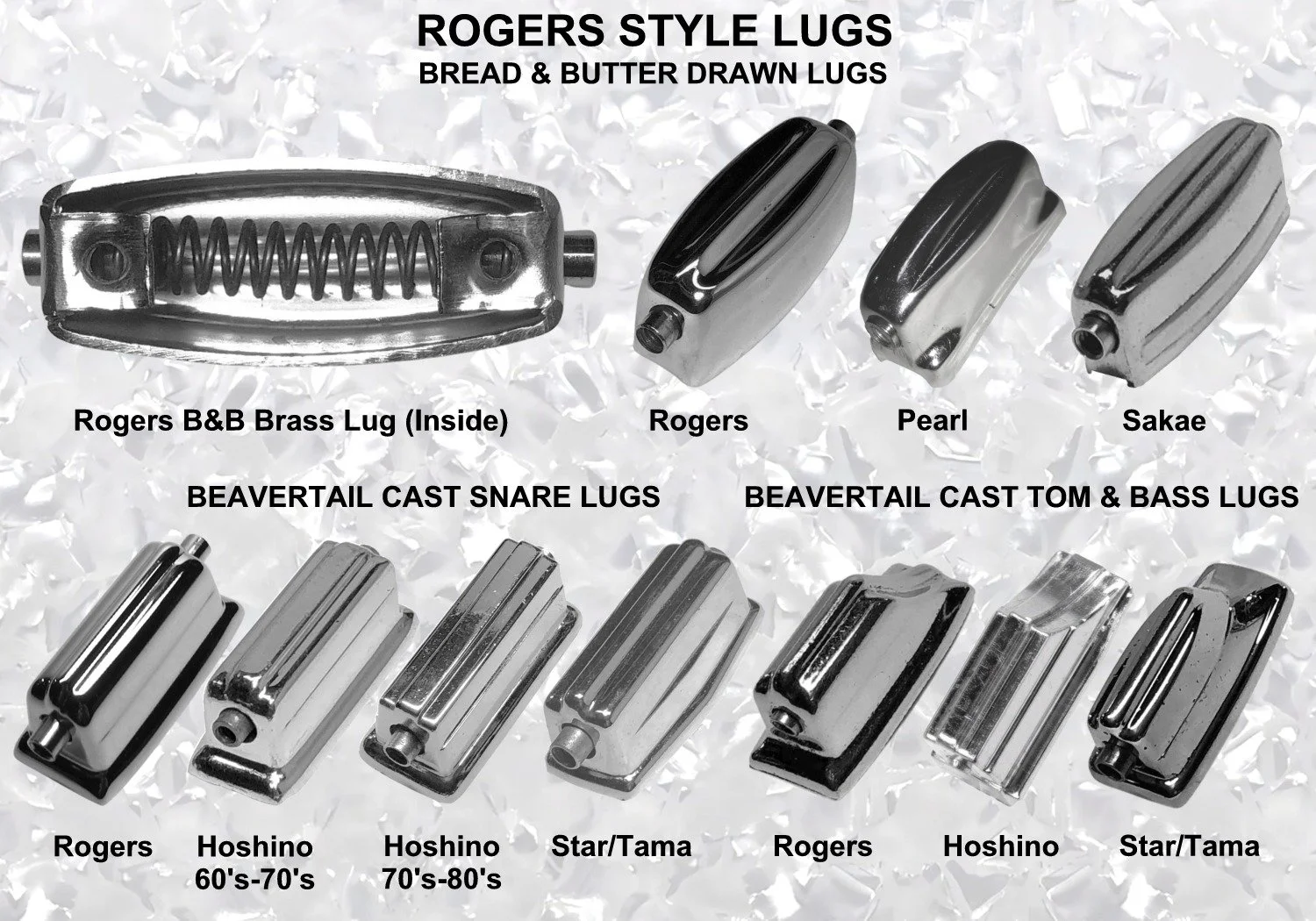
Mind you that Slingerland was by far the biggest influence, so some of the instances are a little more on the rare side. Rogers was known for two different lug types: the “Bread & Butter” and the “Beavertail”. Rogers Bread & Butter lugs were drawn brass and introduced in 1959 and were only used until 1964ish. These lugs were prone to cracking, but nevertheless, still an attractive lug. Both Sakae and Pearl had their own drawn lugs that were similar in appearance, but of a much sturdier construction of chrome plated steel. This leaves Rogers’ iconic Beavertail lugs which were introduced in 1964 and were used for the rest of Rogers original run and even beyond in some cases. This is where Hoshino found some inspiration with two variations of snare lugs and one variation of the tom lug. Near the very end of Star they decided to do a little creative borrowing as well, and this design carried on and was prominently used in the launch of the Tama brand in 1974 and was used into the early 80’s.
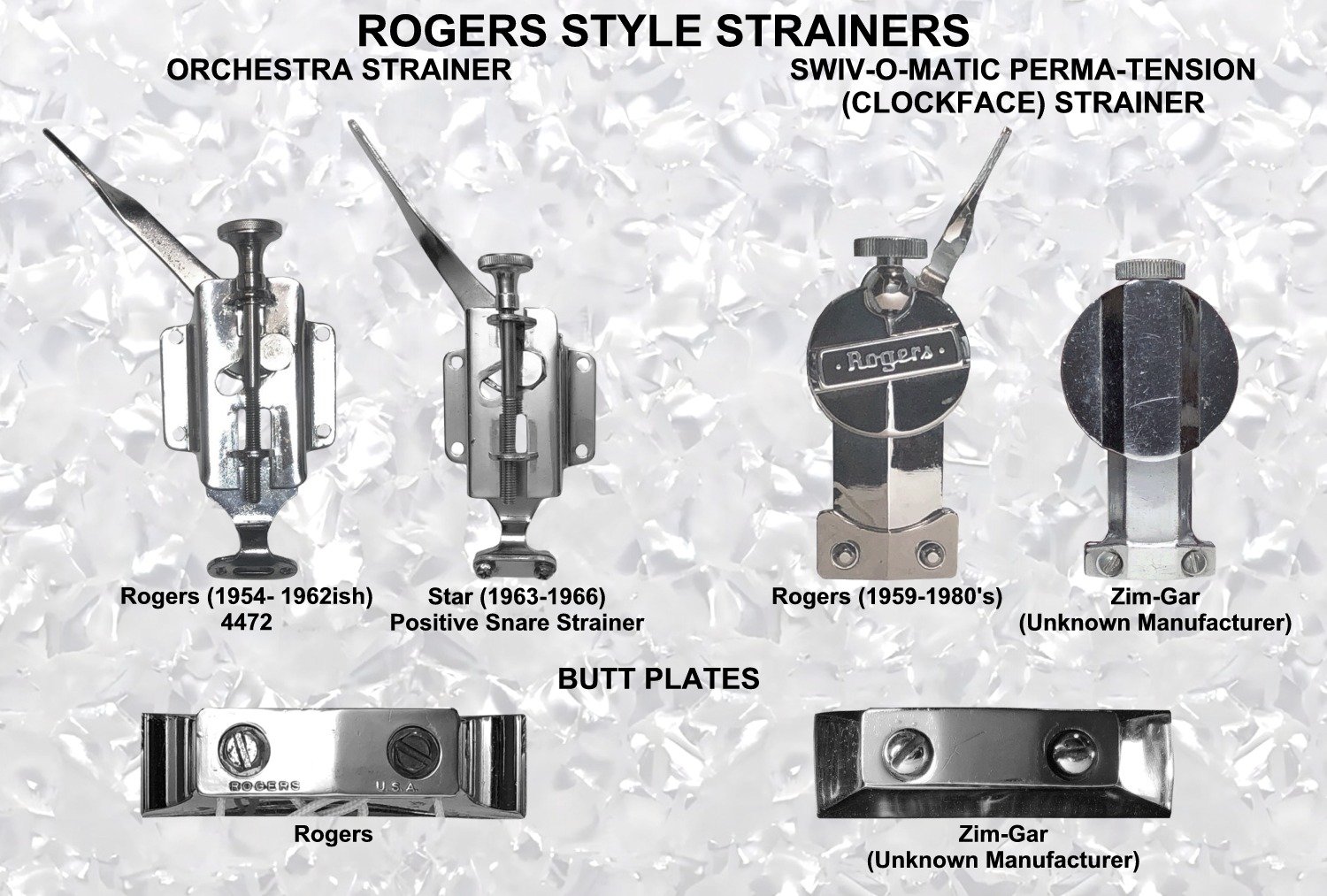
Rogers strainers were a lot less copied, but when Star designed their four-point strainer it was an outright theft of Rogers’ Orchestra strainer from the 50’s & 60’s, the only difference between the two was the direction that the lever was twisted. There was also a Japanese drum model of unknown origin (usually badged “Zim-Gar” or “Recco”) that took a little inspiration from Rogers famous “Clock-Face” strainer, and to go with that strainer, a Rogers’ style butt plate.
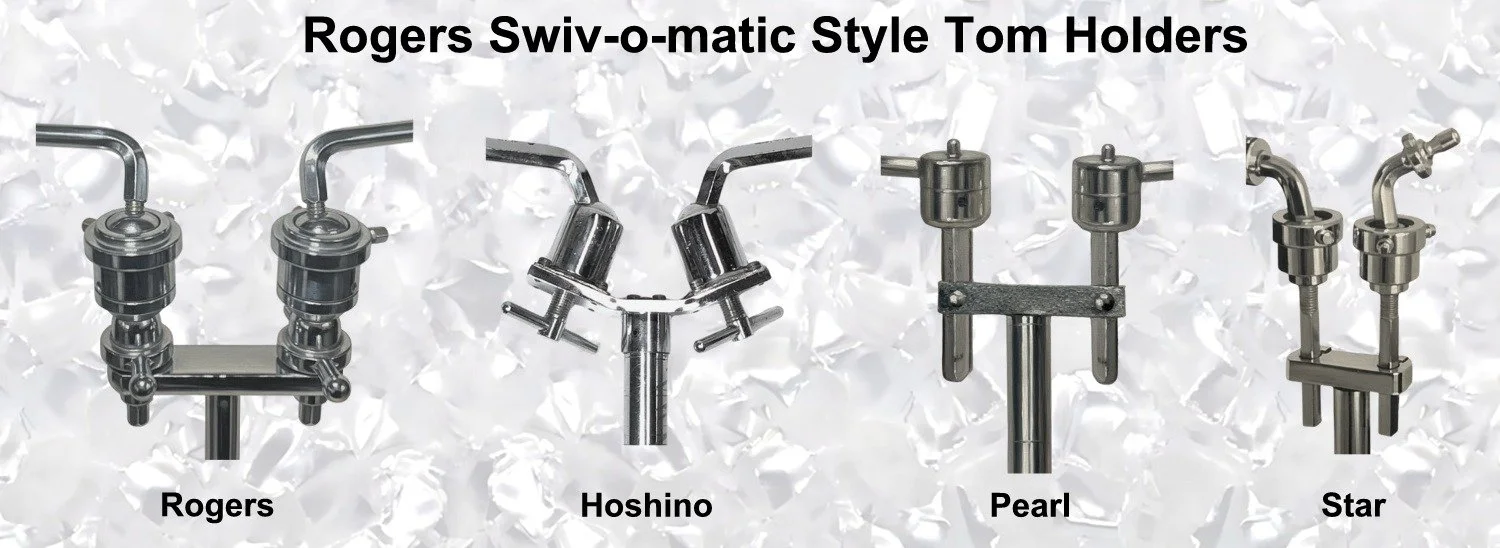
As far as tom plates nobody messed with Rogers Swiv-O-Matic or MemriLoc, but they were sure fond both type tom holders. The Swiv-o-matic style was a favorite of Pearl from the late 60’s, 70’s, and all the way through the 80’s on stencils. Hoshino also used their version of the design from the 70’s until the early 80’s. Star toyed with the design, but there are very few floating around.
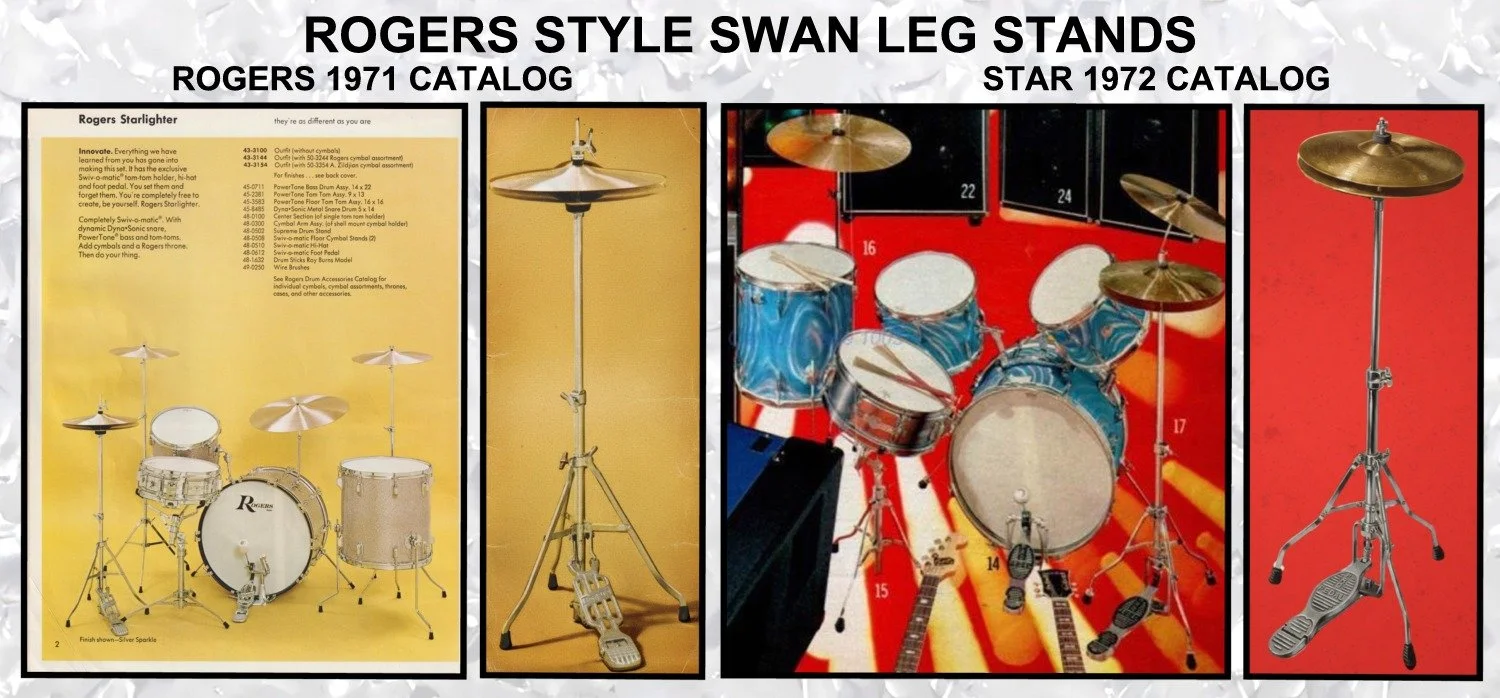
Star got into the action by copying Rogers “Swan-Leg” stands from at least 1965 until 1972. Rogers had abandoned the design in favor of the heavy duty MemriLoc stand of the mid 1970’s.
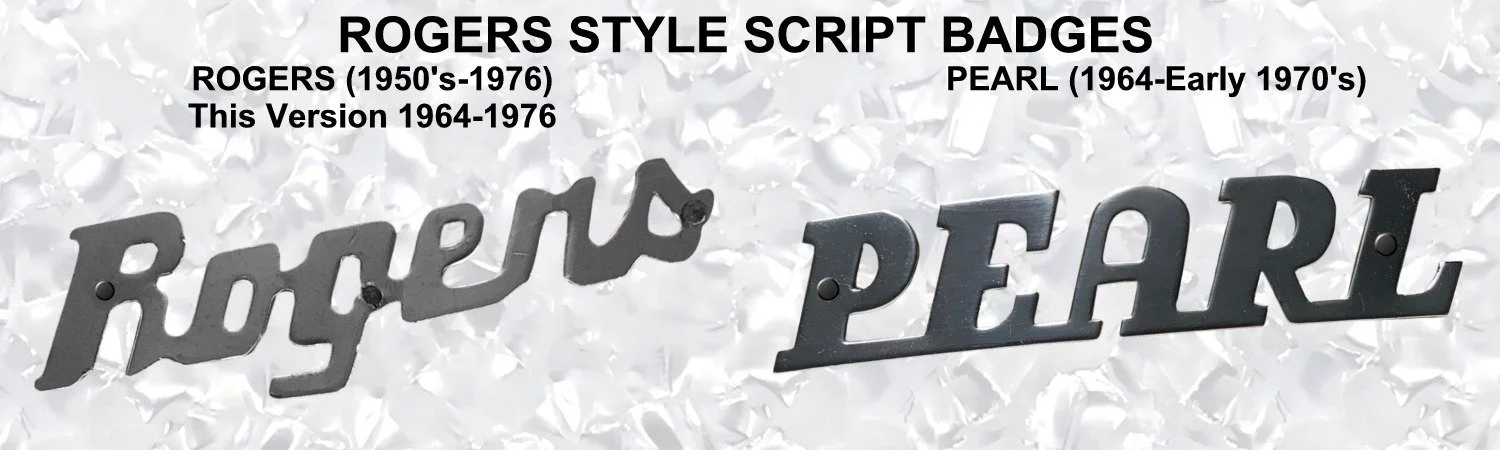
Rogers chrome plated steel script badge style most obviously influenced Pearl from the 60’s into the 70’s as well as some stencil brands.
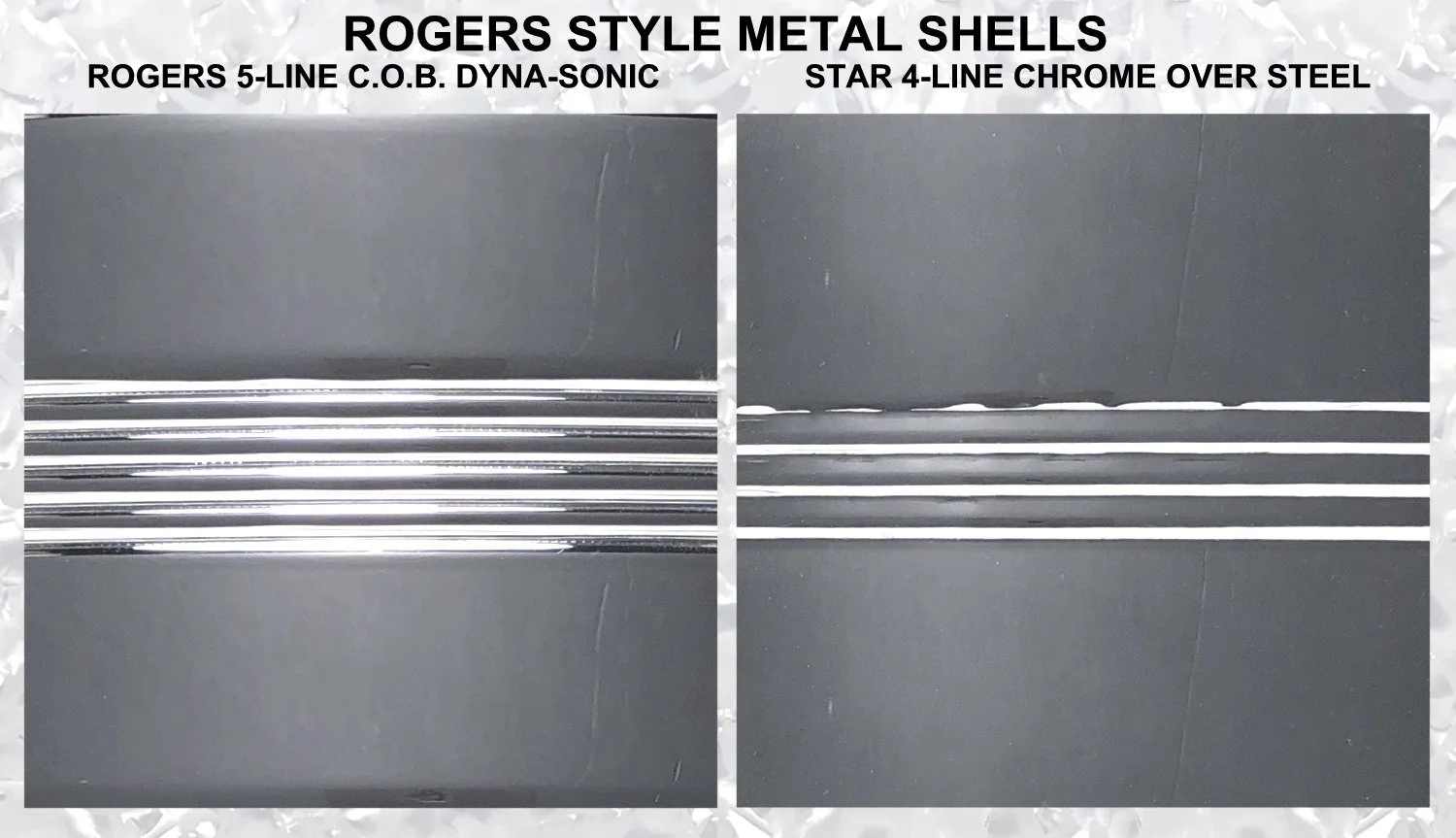
Rogers’ Dyna-Sonic chrome over brass snare drum was known for its iconic 5-line design (originally 7-line). The same era Slingerland had their 3-line design, which Star ran with initially, but decided to split the difference with a 4-line design for most of Star’s 14 year run.
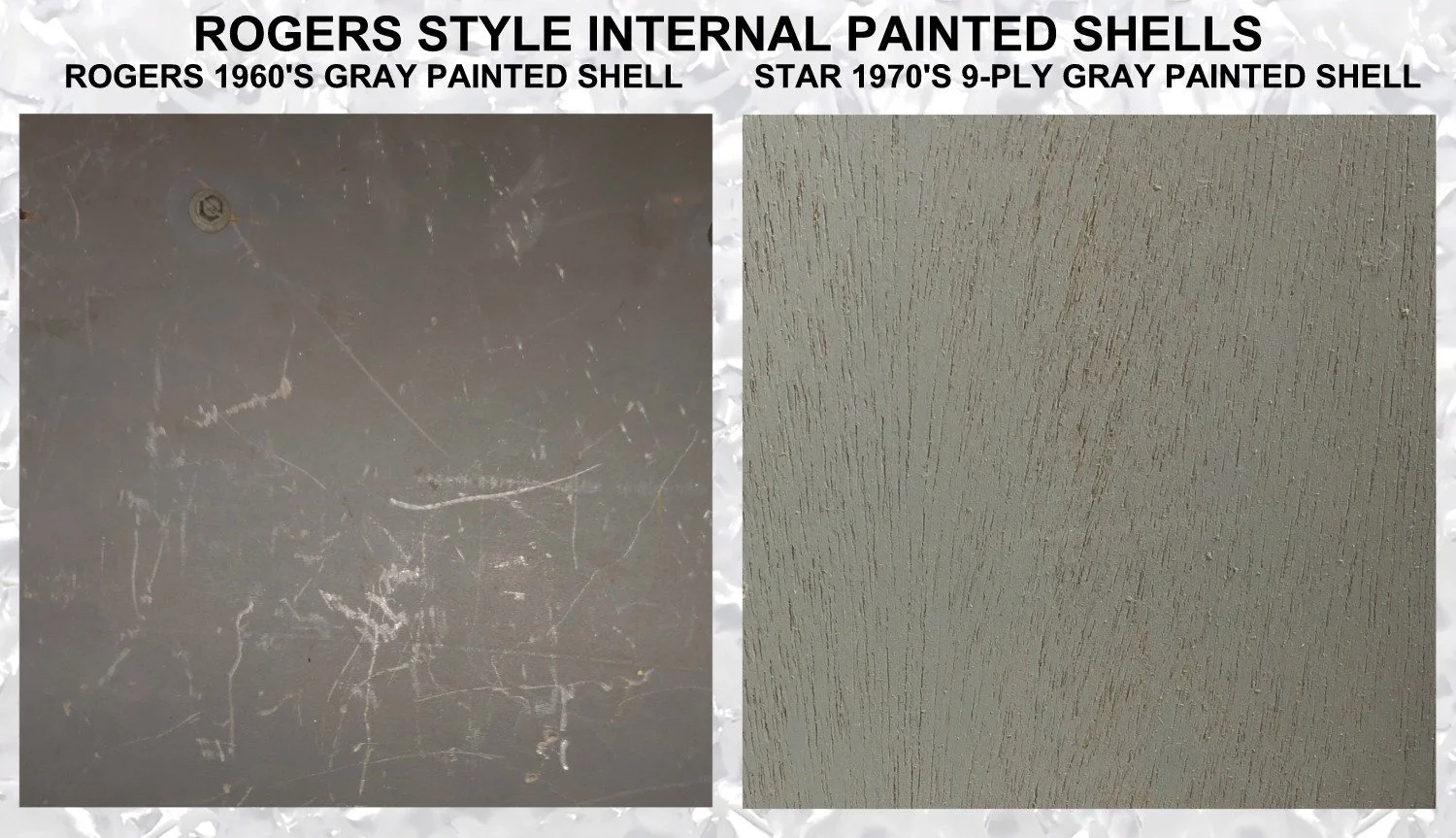
Many of the American companies adopted the practice of painting the interiors of their drums, sometimes saying it was sealing the wood, but some said it was just cosmetic and a time saver over fine finishing the interiors. Rogers chose plain gray before going to the speckled gray “trunk” paint. Star adopted the gray painted interiors when they moved to the 9-ply shells in the late 60’s until the rebrand in 1974. Tama also kept the tradition going with the “Zola-Coat” into the 80’s.
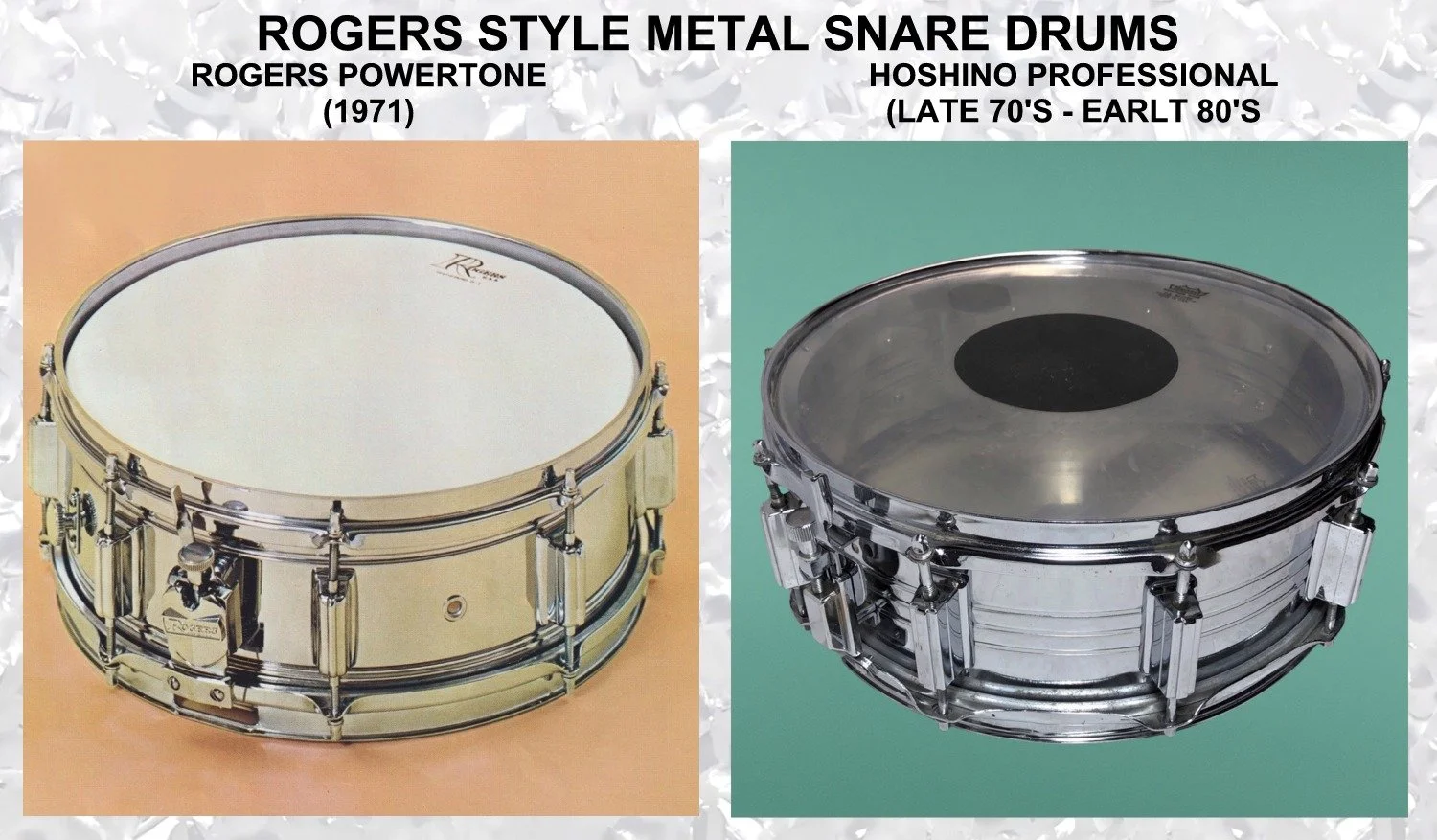
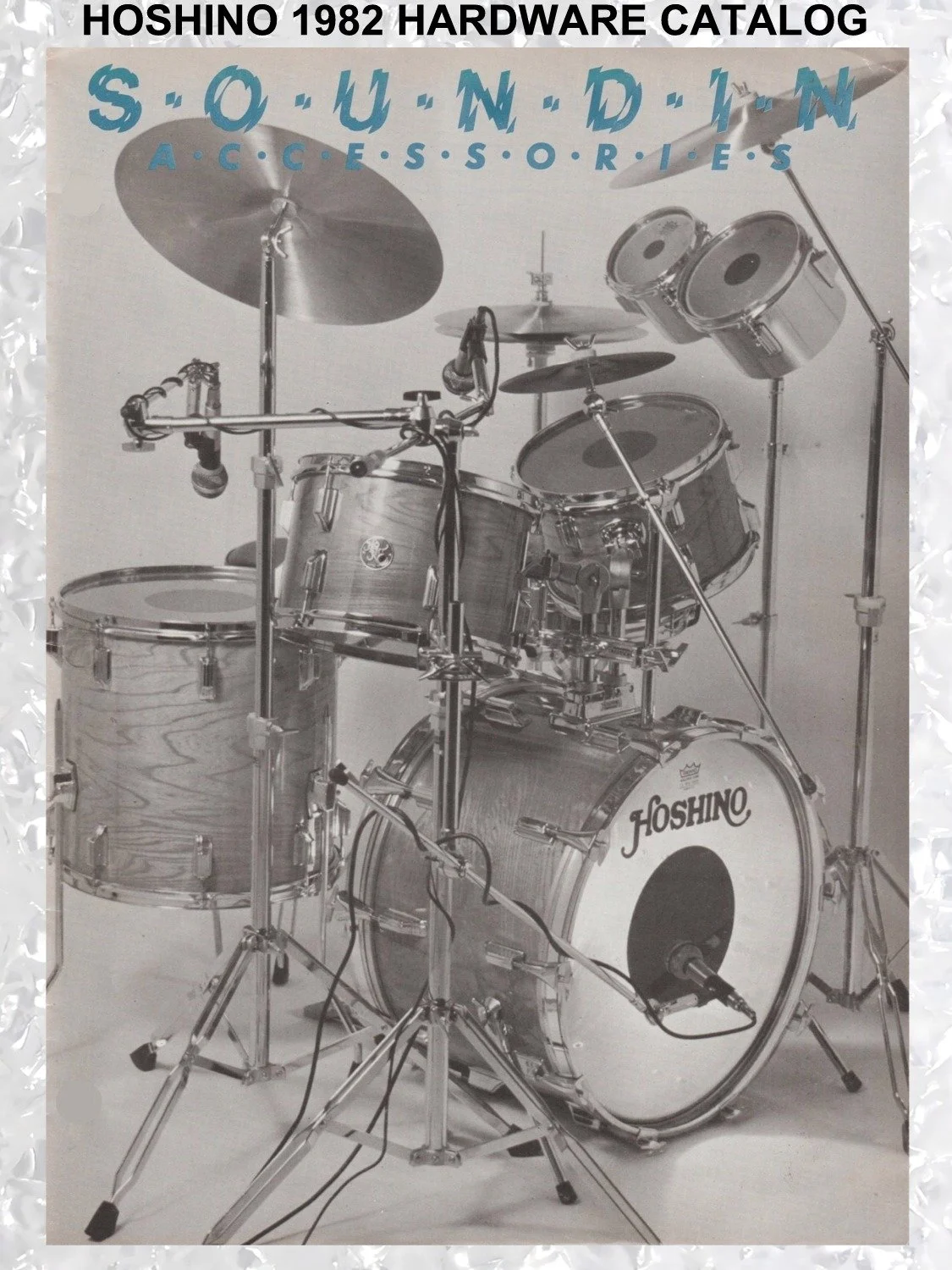
Nobody was going to be fooled up close, but from the stage most wouldn’t notice the difference, and by the late 70’s the quality of Hoshino’s drums was getting closer the American classic Rogers, not to mention what Tama and Pearl were accomplishing at a better price point as well. None of the Japanese drums could replace Rogers in quality, but economically, they were destroyed. At least we have a happy ending with the return of the Rogers name along with the old styling and quality, so everybody wins!